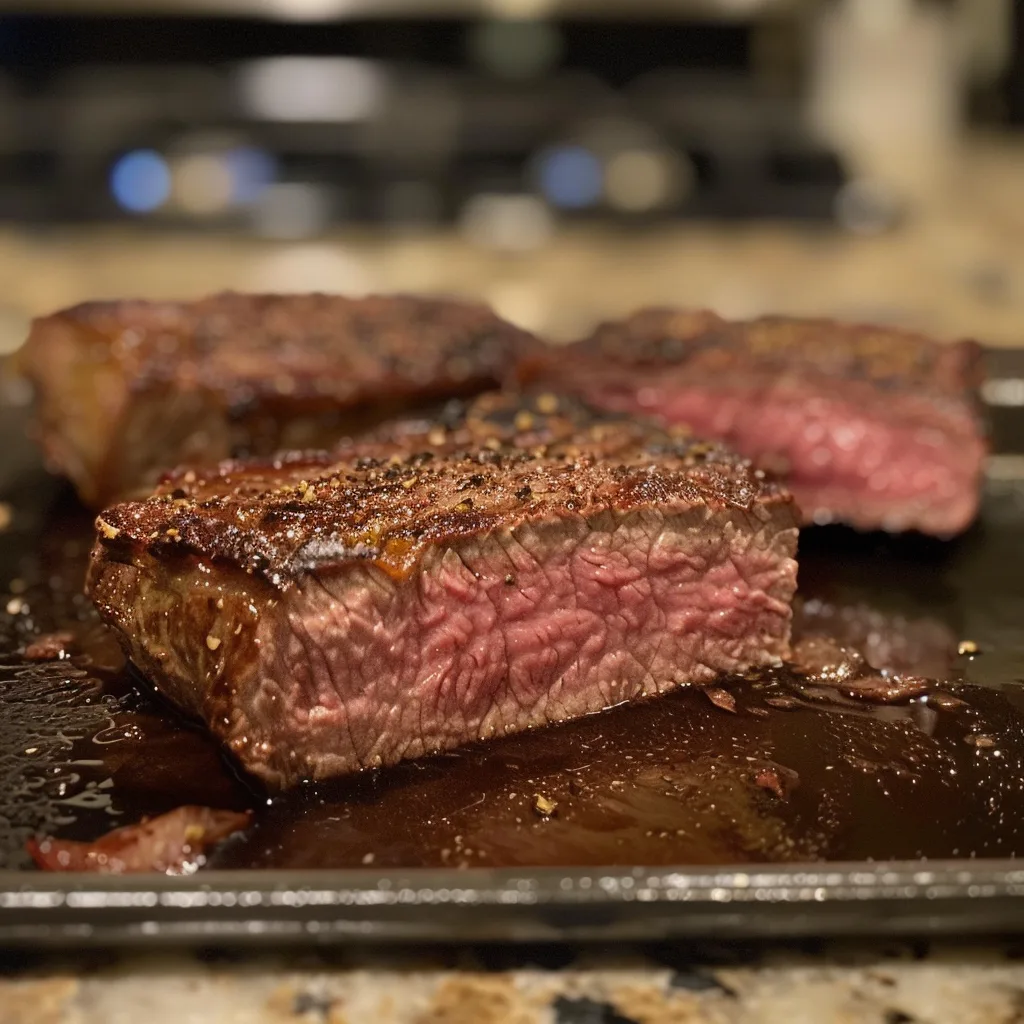
When it comes to indulgent, juicy, melt-in-your-mouth meals, perfect ribeye steaks sit at the very top of the list. Bursting with rich flavor and buttery marbling, the ribeye cut is a steak lover’s dream come true. But here’s the truth—while ribeye looks impressive, getting it right at home is surprisingly simple once you know what to do.
Whether you’re a grill master, cast iron lover, or curious beginner, this complete guide covers everything from selecting the best cut to achieving that picture-perfect sear. You’ll also learn how to rest, slice, and serve your ribeye like a pro, while avoiding the rookie mistakes that ruin a good steak.
Ready to master the art of the perfectly cooked ribeye? Let’s start where it all begins—choosing the right cut of meat.
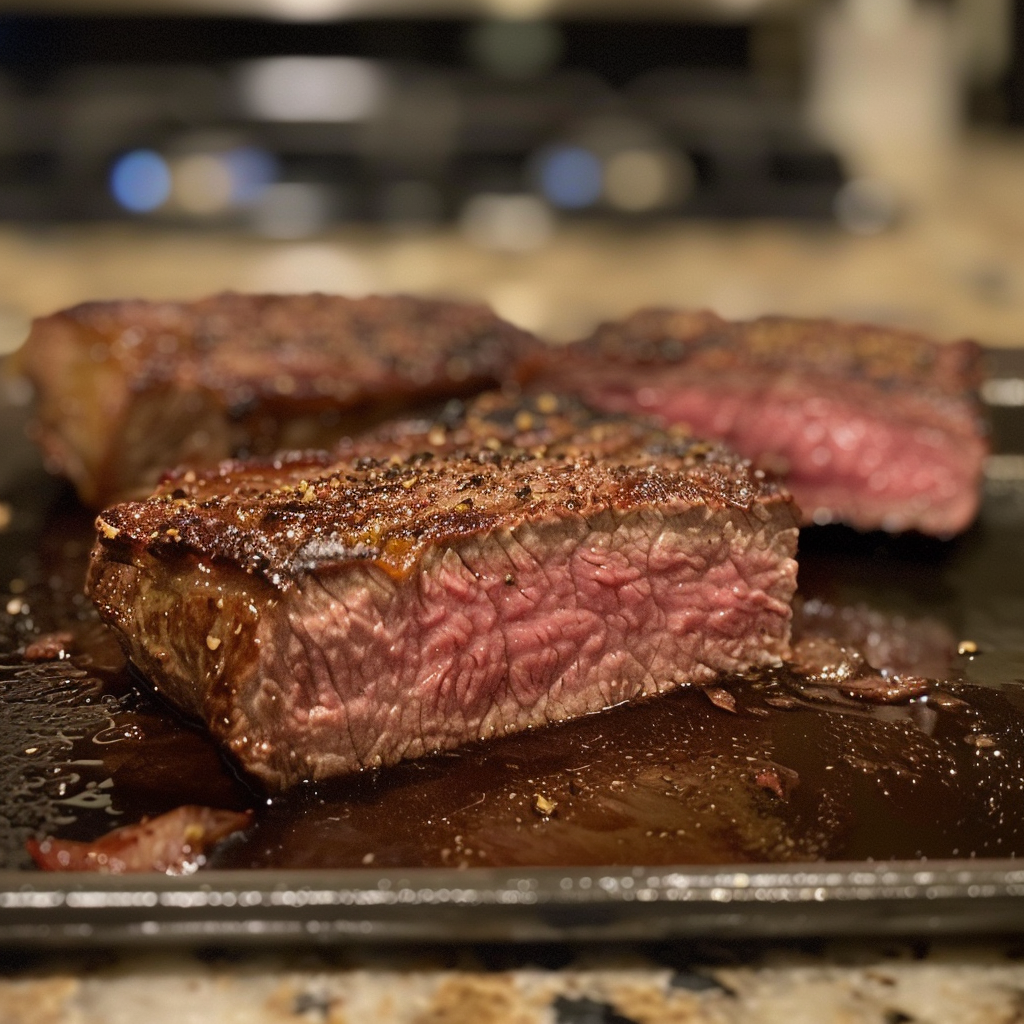
Ingredients You Need for Ribeye Steak Perfection
When it comes to cooking perfect ribeye steaks, less really is more. You don’t need a long list of ingredients—just a few high-quality essentials that bring out the steak’s natural richness. Let’s break it down.
Ribeye Steak – The Star of the Show
Choose a thick, well-marbled ribeye cut—at least 1 to 1.5 inches thick. Remember, bone-in ribeye adds flavor and flair, while boneless is easier to manage, especially for beginners.
Kosher Salt – The Flavor Enhancer
Skip the table salt. Kosher salt sticks better and gives you that golden crust. Generously season both sides of your steak to let the flavor shine through every bite.
Freshly Cracked Black Pepper – For That Bite
Don’t underestimate the power of coarse ground black pepper. It adds depth, a slight kick, and works magic when seared in a hot pan or on the grill.
High-Heat Oil – Sear Without Smoke
Use oils with high smoke points like avocado, grapeseed, or canola. This helps achieve that perfect crust without burning.
Optional: Garlic, Butter & Herbs
Want to elevate it even further? Toss in crushed garlic cloves, butter, and sprigs of rosemary or thyme during the final sear for a steakhouse finish—buttery ribeye bliss with an herbaceous twist.
How to Cook Perfect Ribeye Steaks Step by Step
Cooking perfect ribeye steaks at home doesn’t require fancy gear—just the right process. Whether you’re using a grill, pan, or oven, nailing the prep and timing is everything.
Step 1: Bring to Room Temperature
Take your ribeye out of the fridge about 30–45 minutes before cooking. Letting it rest at room temp ensures even cooking and better results.
Step 2: Pat Dry and Season Generously
Use paper towels to remove moisture from the steak’s surface. A dry steak sears better. Then coat it with kosher salt and black pepper. Don’t be shy—ribeye is thick and can handle it.
Step 3: Preheat Your Cooking Surface
Get your cast iron skillet blazing hot or preheat your grill. High heat is crucial for that restaurant-style crust.
Step 4: Sear and Flip
Sear one side for 2–3 minutes without moving it. Flip and sear the other side. Add butter, garlic, and herbs for basting during the final minute.
Step 5: Rest Before Slicing
Transfer the steak to a plate and let it rest 5–10 minutes. This locks in the juices and finishes off the cooking process.
Calories and Protein in Ribeye Steak
A typical 8 oz ribeye steak contains around 600 to 700 calories, depending on how it’s cooked and trimmed. It’s rich in protein—roughly 50 to 60 grams per serving—making it a great option for high-protein diets.
However, it also carries about 45–55 grams of fat, thanks to its marbling. If you’re watching fat intake, consider trimming excess fat or pairing it with lighter sides like steamed veggies.
Essential Equipment for Cooking Perfect Ribeye Steaks
To nail perfect ribeye steaks at home, you don’t need a fancy kitchen setup—just a few essential tools that elevate your technique and guarantee consistent results.
Cast Iron Skillet or Grill Grates
A heavy-duty cast iron skillet retains and distributes heat evenly, creating that crave-worthy crust. If you’re grilling, thick grill grates help achieve a great sear and those iconic grill marks.
Meat Thermometer
Never guess doneness again. A reliable instant-read thermometer ensures your ribeye steak hits that sweet spot—whether it’s rare, medium-rare, or well-done. Learn more about safe temperatures with this USDA steak temperature guide.
Long-Handled Tongs
Tongs give you control without piercing the meat. That means no flavorful juices lost mid-flip.
Sharp Chef’s Knife
After resting, you’ll want a sharp knife to slice your ribeye steak cleanly against the grain. A dull blade? Big no-no.
Wooden Cutting Board
A sturdy wood cutting board not only protects your countertops but also catches juices during the resting period.
Paper Towels
Don’t skip this underrated tool—patting your steak dry before cooking helps form a better sear, every time.
Frequently Asked Questions About Perfect Ribeye Steaks
How long should I cook a ribeye on each side?
It depends on thickness and your preferred doneness. For a 1-inch thick ribeye, aim for 3–4 minutes per side on high heat for medium-rare. Thicker cuts may need a quick finish in the oven or indirect heat on the grill. Always check internal temp rather than relying on time alone.
Should I marinate a ribeye steak?
Not usually. Ribeye already has tons of flavor thanks to its marbling. Instead of marinades, use a dry rub or just salt and pepper. However, if you’re using a lower-grade cut (like Select), a short marinade can help boost tenderness.
Is it better to grill or pan-sear a ribeye?
Both methods work beautifully, and it really comes down to personal preference. Grilling adds a smoky flavor and beautiful char, while pan-searing in cast iron with butter and garlic delivers a rich, steakhouse-style crust. If you love precision, try the reverse sear method—sear last for full control.
What’s the ideal internal temperature for a ribeye?
The USDA recommends 145°F for medium, but many steak lovers prefer medium-rare at 130–135°F for optimal tenderness and juiciness. Use a thermometer for accuracy, and don’t forget to rest the steak—it continues cooking off-heat.
Hungry for more? Visit our website for full recipes and follow us on Pinterest for daily foodie inspo you’ll love to pin!