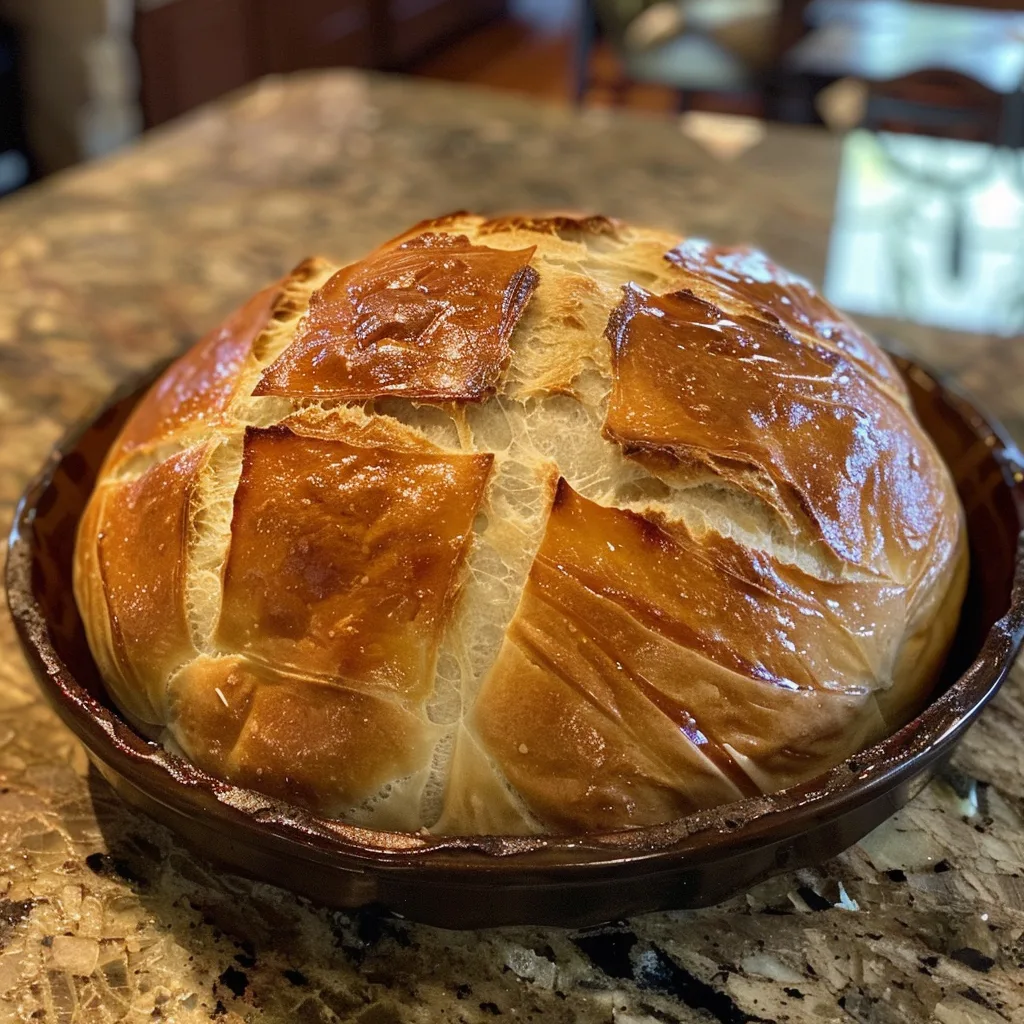
Baking bread doesn’t have to be complicated. In fact, with the best (easiest) no knead bread recipe, you can create a crusty, artisan-style loaf using just four ingredients and almost no effort. That’s right — no kneading, no mixer, and no stress. This method has completely changed the way home bakers make bread, turning what used to be a time-consuming task into a simple, rewarding ritual.
Instead of working the dough by hand, this recipe relies on time to do the heavy lifting. The result? A golden, crackly crust and a soft, chewy interior filled with big, airy bubbles — the kind you’d expect from a bakery. Whether you’re a total beginner or a seasoned home cook, this no fuss, one-bowl bread will quickly become a favorite.
In this guide, you’ll learn exactly how to make it step-by-step, plus variations, tools, tips, and answers to common questions.
Table of Contents
Table of Contents
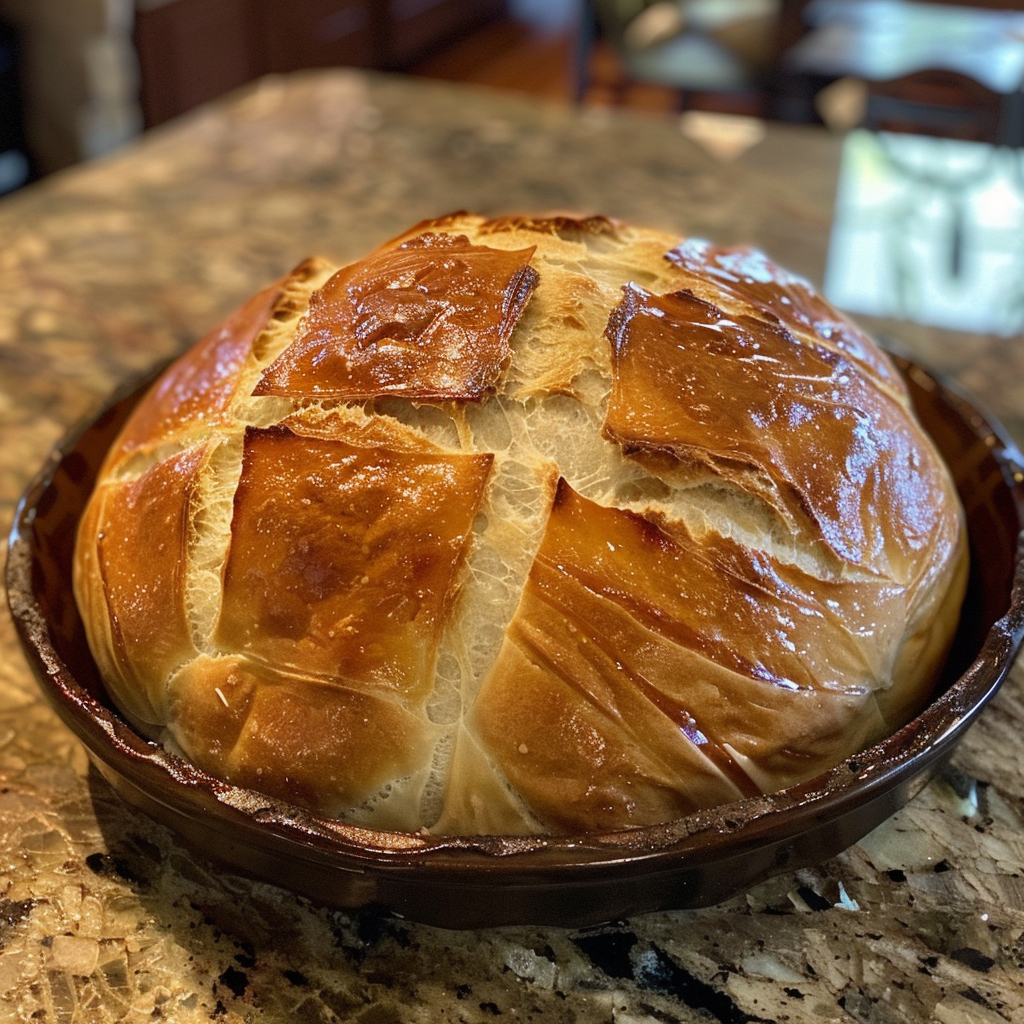
Simple Ingredients for the Best (Easiest) No Knead Bread
One of the best things about this no knead homemade bread is just how incredibly simple the ingredient list is. You don’t need anything fancy — just four basic pantry staples you probably already have. Yet somehow, these everyday ingredients combine to create a rustic loaf with a crunchy crust, a fluffy center, and a flavor that tastes like it came straight from an artisan bakery.
Let’s take a closer look at what goes into making this easy no knead bread and why each element matters.
Flour: Bread Flour vs. All-Purpose
You can make this bread with either bread flour or all-purpose flour. Bread flour contains more protein, which gives the dough extra elasticity and results in those classic air pockets and a chewy bite. However, if all you have is all-purpose flour, don’t sweat it — it still works beautifully. Your bread might have a slightly softer texture, but it’ll still rise well and taste amazing.
If you want a more nutritious option, feel free to replace part of the white flour with whole wheat or rye. Just be sure to add a touch more water, as whole grain flours are more absorbent.
Water: Warm, Not Hot
This one’s simple, but important. You’ll need warm water — not boiling, not cold. Think bathwater warm. If it feels cozy to the touch, it’s just right. Water that’s too hot can kill your yeast, while cold water will slow everything down. Aim for around 110–115°F (43–46°C) for the best results.
Salt: Use Kosher or Cooking Salt
Salt isn’t just for flavor — it helps control the fermentation process and strengthens the gluten structure of your dough. Use kosher salt or cooking salt if possible. These salts are less dense than fine table salt, making them easier to measure accurately. If you’re using table salt, scale the amount down slightly to avoid an overly salty loaf.
Yeast: Instant or Active Dry
You’ve got options here. Instant yeast (also called rapid-rise or quick-rise) is the easiest choice because you can mix it right into the flour — no proofing required. If you only have active dry yeast, no worries. Just dissolve it in the warm water first and let it sit for 5–10 minutes until bubbly before mixing with the dry ingredients.
Curious about what yeast really does in baking? This excellent guide on how yeast works in bread explains the science behind the magic.
How to Make the Best (Easiest) No Knead Bread at Home
Making no knead bread might sound like magic, but trust me — it’s really just a laid-back process that lets time do the hard work. You don’t need baking skills, fancy equipment, or a ton of time on your hands. In fact, the prep takes less than 5 minutes, and from there, it’s mostly hands-off.
Here’s exactly how to make the best (easiest) no knead bread, step by step.
Mix the Dough
Start by combining your dry ingredients in a large mixing bowl: flour, salt, and yeast. Stir them together briefly so everything’s evenly distributed. Then pour in the warm water — not hot, not cold, just pleasantly warm to the touch. Grab a wooden spoon or spatula and stir until the dough comes together. It’ll be sticky, wet, and messy-looking — that’s a good sign. You don’t want a smooth, firm ball here. A shaggy, loose dough means your loaf is going to be light and airy later.
Let the Dough Rise
Once it’s mixed, cover the bowl tightly with plastic wrap, beeswax wrap, or even a clean towel. Set it aside in a warm place. The dough needs to rise for about 2 to 3 hours until it doubles in size and looks soft, bubbly, and jiggly — kind of like jelly. If your kitchen is on the cooler side, it might take a bit longer.
Want more flavor? Pop the risen dough in the fridge for up to 3 days. This slower fermentation develops deeper taste without any extra effort.
Preheat Your Oven and Dutch Oven
About 30 minutes before you’re ready to bake, place your Dutch oven (or heavy lidded pot) inside your oven and preheat it to 450°F (230°C). The hot pot helps create steam, which gives the bread its signature crusty exterior. Don’t have a Dutch oven? No problem. You can use a baking tray and recreate steam by placing a pan of hot water on a lower rack — a trick that works wonders!
Shape the Dough
Flour your countertop lightly and gently scrape the dough out of the bowl. It’ll be very sticky, so don’t panic. Use a bench scraper or spatula to help fold the dough over onto itself a few times — just enough to give it a roundish shape. You’re not kneading here; you’re just tightening the surface slightly.
Place the dough seam-side down onto a large piece of parchment paper. Let it rest while the oven finishes heating up.
Transfer and Bake
Once your oven is blazing hot, carefully remove the pot. Use the parchment to lift and drop the dough into the Dutch oven, cover it with the lid, and place it back into the oven.
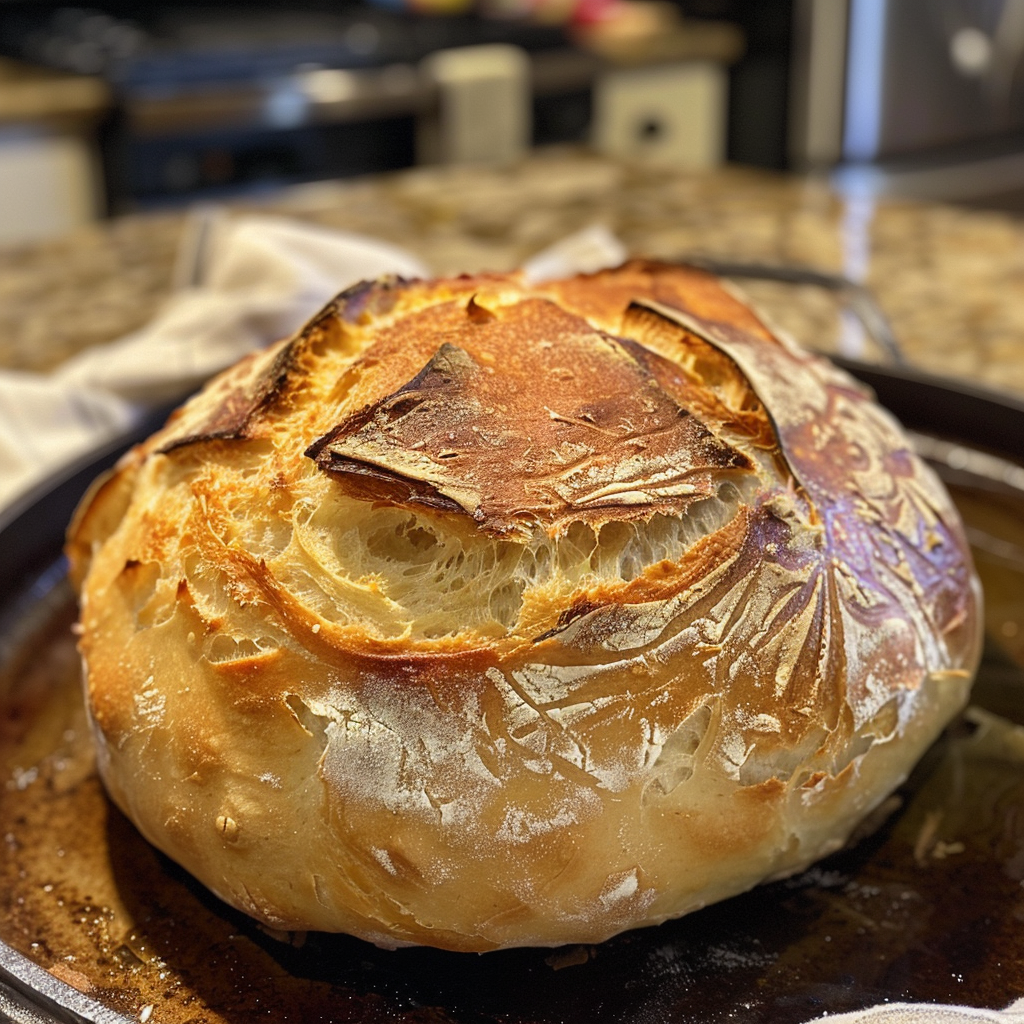
Bake it covered for 30 minutes. This traps steam and lets the dough rise before the crust sets. Then, remove the lid and bake for another 12–15 minutes until the top turns a deep, golden brown and cracks open in all the right places.
Cool Before Slicing
Here’s the hard part — wait before slicing! Let the bread cool for at least 10–15 minutes on a wire rack. Cutting into it too early can lead to a gummy texture in the center. Patience pays off, and your reward is a loaf that’s crunchy on the outside, soft and chewy on the inside, and bursting with that rustic, homemade aroma.
Tools You’ll Need for No Knead Bread
Let’s walk through the few simple tools that make this bread recipe a breeze.
Large Mixing Bowl
This is where all the magic starts. You’ll mix your dough and let it rise right in this bowl, so make sure it’s big enough to handle a dough that doubles in size. Glass, metal, or plastic all work — just avoid anything too small.
Measuring Cups and Spoons
Precision matters, especially when it comes to baking. Even though this no knead bread recipe is forgiving, having accurate measurements for flour, salt, water, and yeast ensures the perfect rise and texture. If you want to level up your baking, a digital kitchen scale is even better — especially for measuring flour correctly. Here’s a helpful guide on how to measure flour properly from the pros at King Arthur Baking.
Wooden Spoon or Silicone Spatula
You don’t need to knead, but you do need to stir — and a good sturdy spoon does the job. Use it to mix your dough until it comes together into a sticky, wet mass. No heavy-duty tools required.
Parchment Paper
This humble kitchen essential makes your life so much easier. It prevents the dough from sticking to the pan, helps transfer it into the Dutch oven cleanly, and even gives your artisan bread that beautifully rustic shape.
Dutch Oven (or Heavy Lidded Pot)
A Dutch oven is the not-so-secret weapon behind the signature crusty exterior and chewy center of this bread. It traps steam during baking, which mimics a bakery-style steam oven. If you don’t own one, don’t stress — you can still bake your bread on a tray with a pan of boiling water in the oven to recreate the effect.
Dough Scraper or Bench Knife
This isn’t 100% necessary, but it’s super helpful for handling sticky dough without making a mess. It also helps shape the dough gently without deflating all those lovely air bubbles.
Oven Mitts and Cooling Rack
Hot pot = hot oven = be safe! Always use thick oven mitts when moving your Dutch oven in and out of the oven. Once the bread is done, let it cool on a wire rack to avoid a soggy bottom.
Frequently Asked Questions About No Knead Bread
Can I make no knead bread without a Dutch oven?
Yes, absolutely! While a Dutch oven helps create steam and gives the bread that signature crusty artisan texture, you can still make a beautiful loaf without one. Simply shape your dough on parchment paper, place it on a baking tray, and put a metal pan filled with boiling water on the lower oven rack. This creates a steamy environment that mimics a Dutch oven — and it works surprisingly well.
Why is my no knead dough too sticky or wet?
No worries — sticky dough is normal when making no knead bread! It’s supposed to be wet and shaggy. This high hydration is what leads to that airy, open crumb. However, if it’s too runny and more like a batter than dough, you may have added too much water. Add a tablespoon of flour at a time until it’s workable, but don’t try to make it firm — that defeats the purpose.
How long can I refrigerate the dough?
One of the best parts of this no knead method is how flexible it is. After the first rise, you can refrigerate the dough for up to 3 days. In fact, doing so improves the flavor thanks to slow fermentation. Just let it rest at room temperature for about 45–60 minutes before baking so it rises properly in the oven.
Can I use sourdough starter instead of yeast?
Yes, with some adjustments. You can use a sourdough starter instead of commercial yeast, but you’ll need to increase the rise time and possibly adjust the hydration. Since starters vary in strength, you’ll have to experiment a bit. But many bakers love combining the simplicity of no knead bread with the complex flavor of sourdough.
Why didn’t my bread rise?
This can happen for a few reasons. First, check your yeast — is it expired or inactive? Next, consider the temperature. Yeast loves warmth, so if your kitchen is cold, the dough might need more time to rise. Try placing the bowl near a warm oven or in a slightly warm (but turned-off) dryer to encourage fermentation.
Hungry for more? Visit our website for full recipes and follow us on Pinterest for daily foodie inspo you’ll love to pin!