Introduction
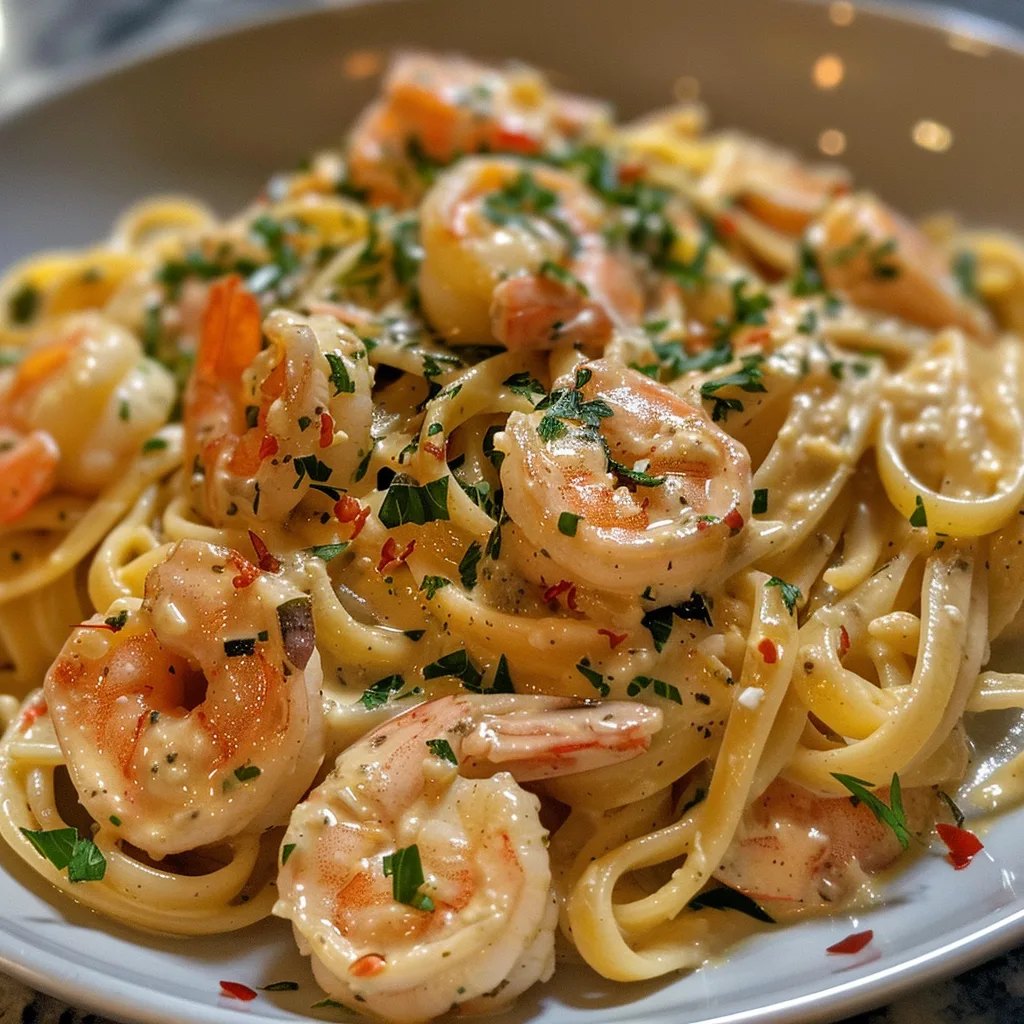
Craving something creamy, comforting, and bursting with seafood flavor? This delicious dish of Linguine in Shrimp Cream might be your new go-to. It’s a delightful blend of tender shrimp, silky linguine, and a luscious cream sauce that brings everything together like a dream. Whether you’re planning a cozy family dinner or trying to impress guests, this pasta recipe checks all the right boxes.
This article covers everything you need—from selecting the right ingredients to garnishing the final dish like a pro. So, grab your apron and let’s get cooking!
Table of Contents
Table of Contents
Key Ingredients for the Perfect Linguine in Shrimp Cream
Linguine – The Heart of the Dish
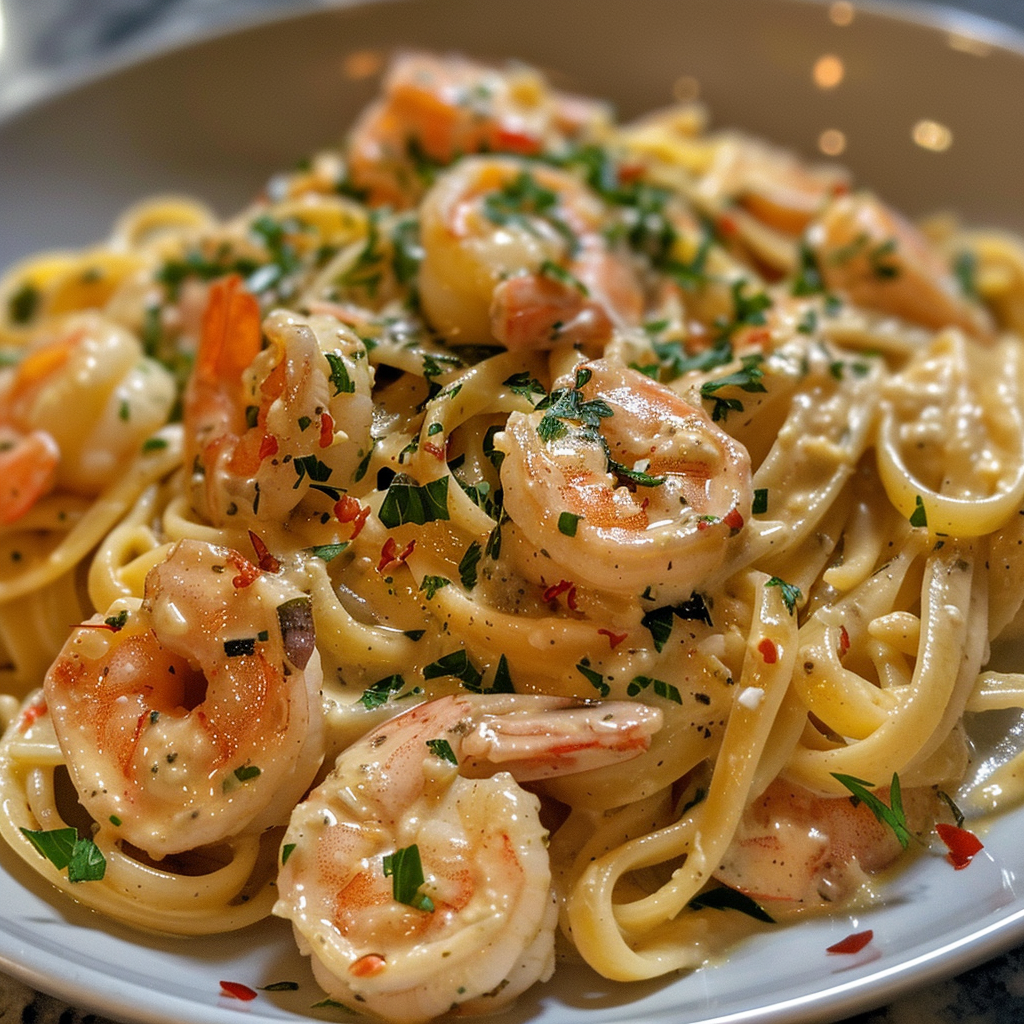
When it comes to creamy shrimp pasta, linguine is the pasta of choice. Its flat, ribbon-like shape holds onto creamy sauces better than round spaghetti, giving each bite maximum flavor.
If you’re gluten-free, don’t worry—many great alternatives like brown rice linguine or chickpea-based pasta work beautifully here. Just make sure to cook them slightly al dente, so they don’t fall apart when tossed in the sauce.
Tip: Save at least ½ cup of pasta water. It’s liquid gold for adjusting the sauce’s consistency later!
Shrimp – Fresh, Sweet, and Quick-Cooking
You can’t make shrimp linguine without shrimp! Look for medium to large shrimp, peeled and deveined. You can go with tail-on for a fancier presentation or remove them for easy eating.
Fresh shrimp deliver unbeatable texture, but frozen shrimp are perfectly acceptable if thawed properly. Just pat them dry before cooking to avoid excess moisture in the pan.
Want to know more about shrimp nutrition? Check out this guide to shrimp health benefits (anchor text: nutritional value of shrimp).
Heavy Cream or Burrata – That Velvety Richness
The creamy element is what elevates this dish from good to glorious. Traditionalists may prefer heavy cream, but here’s a twist: some chefs use burrata cheese—just the soft, creamy center. It melts into a dreamy texture when blended with citrus and shrimp juices.
If you’re dairy-free, unsweetened coconut cream or cashew cream can stand in without compromising flavor.
Garlic and Olive Oil – The Aromatic Base
No shrimp cream linguine is complete without garlic sautéed in olive oil. This combo forms the flavor foundation of many Italian-inspired dishes. Go for extra virgin olive oil for maximum richness, and don’t skimp on fresh garlic—two cloves finely chopped should do.
Add a pinch of chili flakes or one whole chili pepper if you enjoy a subtle kick.
Citrus – The Secret Ingredient
What makes this version stand out? A splash of fresh orange juice and a hint of lemon zest.
These citrus notes balance out the richness of the cream, brightening the entire dish. It’s a little unexpected—but wow, does it work.
Seasonings and Garnishes
Here’s what rounds out the flavor:
- Salt & black pepper – always taste and adjust
- Fresh parsley – adds color and earthiness
- Dry aglio e olio spice mix – for extra depth
- Lemon zest – for a finishing burst of aroma
These small touches? They make all the difference.
Optional Add-Ins and Substitutes
Want to make it your own? Try these:
- Spinach or arugula for a green touch
- Grated Parmesan for extra umami
- Crushed red pepper flakes for added heat
Looking for a slightly healthier alternative? You can also reduce the cream by half and add more reserved pasta water for a lighter texture.
This dish is flexible enough for weeknight cooking but elegant enough to impress. Ready to start cooking? In the next section, we’ll walk through the step-by-step instructions to bring your shrimp and linguine in cream sauce to life.
How to Cook Linguine in Shrimp Cream – Step-by-Step
Prepping the Shrimp for Maximum Flavor
Start by cleaning and deveining your shrimp if they’re not already done. You’ll want them thawed, rinsed, and dried with a paper towel.
Pro tip: Season your shrimp with a pinch of salt, cracked black pepper, and just a squeeze of fresh lemon juice. Let them sit for 10 minutes—this quick marinade adds a subtle zing.
If using both tail-on and tail-off shrimp for texture and presentation (as some chefs do), keep them separated for now. The smaller ones will go into the sauce; the larger ones will be pan-seared for garnish.
Sautéing the Aromatics
Heat 2–3 tablespoons of extra virgin olive oil in a large skillet over medium heat. Add:
- 2 cloves of minced garlic
- 1 whole chili pepper (or a pinch of red pepper flakes)
Stir gently for about 1 minute—just until fragrant. Be careful not to brown the garlic; it should stay pale and aromatic.
Cooking the First Batch of Shrimp
Add your tail-off shrimp to the hot skillet. Let them cook for about 2–3 minutes on each side or until just pink and opaque.
To intensify flavor, add a squeeze of fresh orange juice at this stage. Stir in a tablespoon of chopped fresh parsley. This creates a lightly citrusy shrimp broth that will serve as the base of your sauce.
Remove the cooked shrimp and set them aside in a bowl.
Boiling the Linguine
In a large pot of boiling salted water, cook 250g (about 8 oz) of linguine until just al dente. Follow the package instructions, but shave off a minute or two to ensure a firmer bite.
Right before draining, reserve about ¾ cup of pasta water. Trust me, this silky, starchy liquid will work wonders in your sauce.
Blending the Cream Sauce
In a tall mixing container or blender, combine:
- The cooked shrimp from earlier
- 100 ml of heavy cream or the inside of one burrata
- 2–3 tablespoons of the citrusy oil and shrimp juices from the skillet
- A splash of orange juice
- A pinch of salt and pepper
Blend until smooth. The result should be creamy, flavorful, and slightly pink from the shrimp.
If it looks too thick, stir in a few tablespoons of that reserved pasta water.
Pan-Seared Garnish Shrimp (Optional)
In a separate small skillet, heat a bit more olive oil. Toss in your tail-on shrimp with a sprinkle of aglio e olio dry seasoning or crushed garlic and herbs.
Sear on both sides until golden and curled. These shrimp will add a delicious, eye-catching finish to your final plate.
Bringing It All Together
Add the drained linguine straight into the skillet used earlier (don’t clean it!). Stir the pasta gently into the pan drippings.
Gradually pour in the blended shrimp cream sauce while tossing the pasta. Add 4–5 ladles of reserved pasta water, one at a time, until the sauce clings to the linguine perfectly.
This step is where the magic happens—don’t rush it.
Remove from heat and stir in fresh lemon zest and a handful of chopped parsley for that final, fresh lift.
Serving It Like a Pro
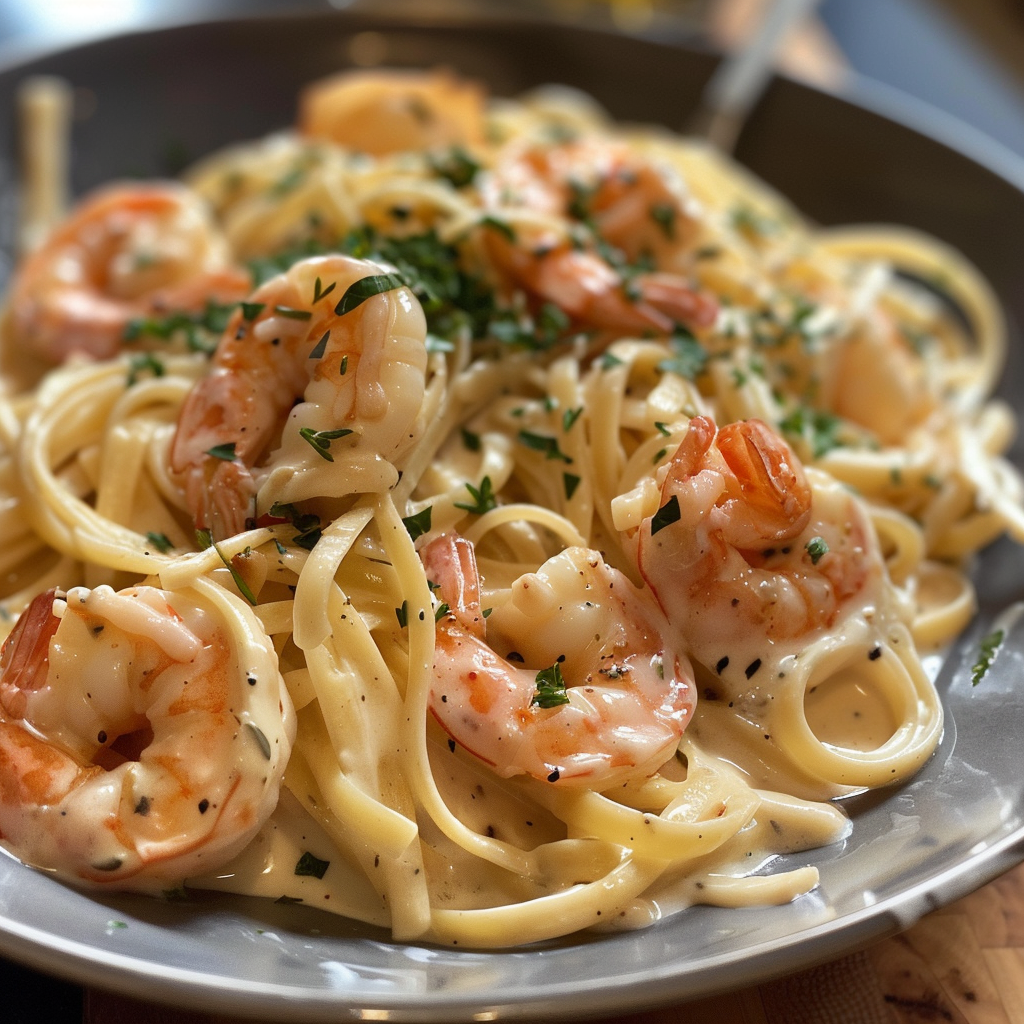
Twirl the linguine onto each plate. Spoon extra shrimp cream over the top. Place the golden, pan-seared shrimp as a garnish, and finish with a dash of chili flakes or a drizzle of olive oil if desired.
For more tips on achieving pasta perfection, check out this helpful guide on Italian pasta cooking techniques (anchor text: Italian pasta cooking techniques).
And just like that—you’ve created a restaurant-worthy creamy shrimp linguine right in your own kitchen.
Assembling and Serving Linguine in Shrimp Cream with Style
Finishing the Dish with Flavor and Flair
Once your creamy shrimp linguine is tossed and glossy, you’re almost there—but a few small steps can truly elevate the final result.
- Use kitchen tongs to twirl the linguine into neat nests on each plate.
- Spoon a bit of extra shrimp cream sauce over the center.
- Top with golden seared shrimp for that irresistible visual contrast.
- Finish with a sprinkle of lemon zest, a pinch of chili flakes (if you love heat), and a few torn parsley leaves.
A drizzle of extra virgin olive oil adds a silky final touch and locks in flavor.
Want to impress even more? Try serving it in shallow bowls instead of flat plates. The curved shape helps the sauce pool beautifully without running off.
Creative Variations of Shrimp Linguine in Cream Sauce
Here’s where it gets fun. The base recipe is delicious, but you can switch things up to match your mood, dietary needs, or pantry availability.
Linguine with Spinach and Shrimp Cream
Toss in a handful of baby spinach or arugula during the last minute of pasta cooking. It wilts beautifully and adds an earthy note to balance the creamy sauce.
Spicy Shrimp Cream Linguine
Love heat? Add more chili flakes, swap in spicy pepperoncini, or stir in a touch of chili paste when blending the cream sauce. You’ll get that satisfying slow burn with each bite.
Lemon Garlic Shrimp Linguine (No Cream)
Craving something lighter? Skip the cream entirely and build a zesty sauce from:
- Olive oil
- Garlic
- Lemon juice and zest
- Reserved pasta water
Toss with shrimp and linguine for a vibrant, refreshing dish that’s still packed with flavor.
Dairy-Free Shrimp Linguine in Creamy Sauce
No cream? No problem. Blend cashew cream or unsweetened coconut cream with garlic and shrimp juices for a dairy-free version that’s still silky smooth. Adjust the citrus to cut through the richness.
Plating and Presentation Tips
Here’s how to make your shrimp linguine Instagram-worthy:
- White or light-colored plates help the orange and green tones pop.
- Top with microgreens or edible flowers for an elevated look.
- Use a fine grater to dust fresh lemon zest right before serving—it adds aroma and color.
Presentation isn’t just about looks—it enhances the entire eating experience.
Ready to explore the nutrition and dietary considerations of this dish? In Part 5, we’ll talk about how to make it lighter, what to watch out for if you have allergies, and the overall calorie profile of your creamy shrimp pasta.
FAQs About Linguine in Shrimp Cream
Can I use milk instead of cream in shrimp pasta?
Absolutely, but with a caveat. While milk can lighten the dish, it won’t provide the same richness or velvety texture that heavy cream or burrata delivers. If you opt for milk, consider mixing it with a bit of butter or a spoonful of cream cheese to help thicken it. For a healthier twist, some folks also use Greek yogurt, but go slow and stir it in off the heat to prevent curdling.
Is it okay to use frozen shrimp for linguine in shrimp cream?
Yes, frozen shrimp works just fine! Just make sure it’s fully thawed, peeled, and patted dry before cooking. Excess moisture from frozen shrimp can water down your sauce and mess with the texture. To keep that rich flavor intact, season your shrimp after thawing and let them sit for a few minutes before hitting the pan.
How do I thicken the cream sauce without using flour?
Easy! The secret lies in using reserved pasta water, which is rich in natural starches. Gradually stirring it into the sauce while tossing the linguine helps everything come together like magic—no flour needed. You can also blend in more shrimp or burrata to add body, or use a small spoon of Parmesan cheese as a natural thickener.
Can I add cheese to shrimp and cream linguine?
You can, but tread lightly. While seafood and cheese don’t always pair well in traditional Italian cooking, this dish makes an exception. A sprinkle of Parmesan or Pecorino Romano can add a salty, umami kick—just don’t overdo it. Avoid sharp cheeses like cheddar, which clash with the delicate flavor of shrimp.
What herbs go well with shrimp in cream sauce?
The best herbs for this dish are:
- Parsley – fresh, clean, and slightly peppery
- Basil – adds a sweet, aromatic note
- Thyme or tarragon – more earthy, great for a rustic touch
Avoid strong herbs like rosemary or sage—they can overpower the shrimp.
Want to learn more about flavor pairings and pasta techniques? Head over to Eataly’s guide on pasta mastery (anchor text: Italian pasta cooking techniques) for inspiration.
Hungry for more? Visit our website for full recipes and follow us on Pinterest for daily foodie inspo you’ll love to pin!