Introduction
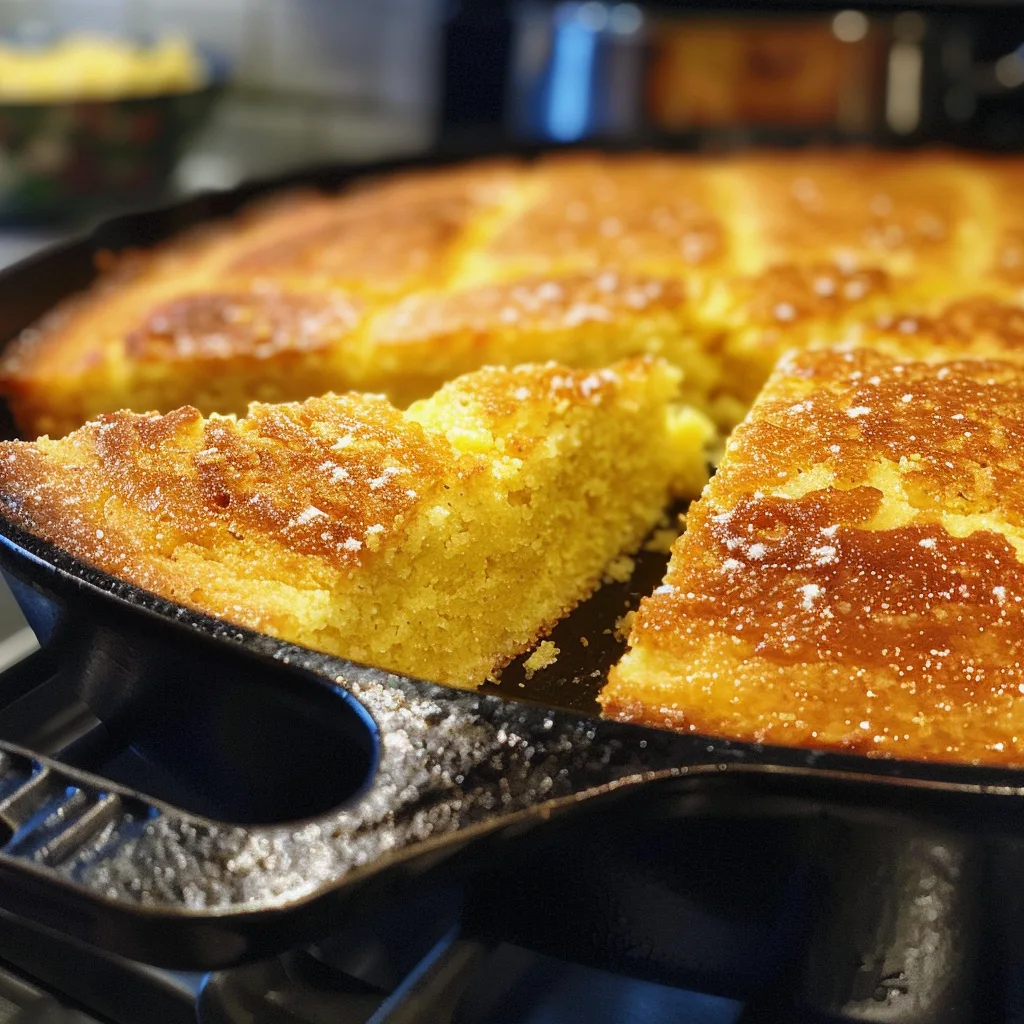
When I first experimented with gluten free sourdough cornbread, I was nervous. Southern-style cornbread without gluten? And with tangy sourdough discard? But I’d been playing with my granny’s cornbread recipes for a few years, and this tweak made all the difference. That irresistible balance of sweet corn, slight tang, and tender crumb—now entirely gluten-free—felt like reclaiming a childhood favorite, just healthier.
Table of Contents
Ingredients of gluten free sourdough cornbread
Sourdough Discard – Use discard from a mature gluten-free sourdough starter. Its tangy depth adds complexity without the need for extra leavening.
Gluten-Free Flour – A quality all-purpose gluten-free flour blend works best. I use my nightshade-free blend with consistent results.
Xanthan Gum – Essential for structure if your flour blend doesn’t already include it. Omit if it does.
Cornmeal – Opt for a medium to fine grind for smooth texture. Coarse cornmeal can be pulsed in a food processor for better consistency.
Sugar – A small amount of granulated sugar enhances flavor without making the bread overly sweet.
Baking Powder – Aluminum-free baking powder is a must. I recommend Rumford for a clean taste.
Salt – Fine sea salt evenly seasons the batter and balances sweetness.
Milk – Whole milk at room temperature gives the best richness. See dairy-free substitutions below.
Oil – Avocado oil is my go-to, but any neutral oil like canola or vegetable works beautifully.
Egg – One large egg binds everything. For egg-free, use a flax egg or your trusted baking alternative.
Baking & Serving Gluten Free Sourdough Cornbread
Once your batter is prepped, it’s time to turn that golden goodness into a warm, rustic slice of comfort. This gluten free sourdough cornbread bakes up quickly—just 20 to 24 minutes—and fills your kitchen with a cozy, corn-sweet aroma.
Baking Technique for the Perfect Crumb
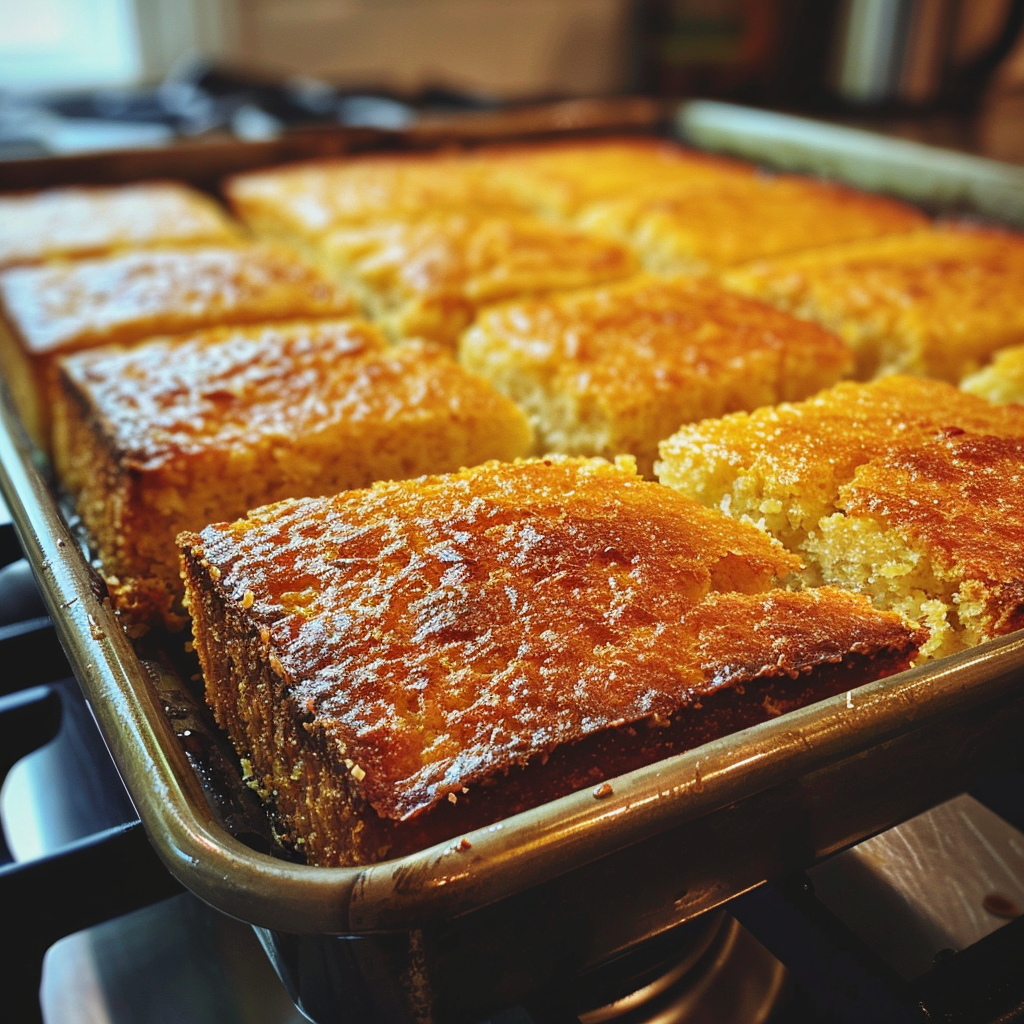
Start by preheating your oven to 400°F and greasing an 8×8 square baking pan. You can use nonstick spray or a pat of grass-fed butter for added flavor. Pour your batter in, gently smoothing the top with a spatula so it bakes evenly.
I’ve found the sweet spot is 22 minutes in a standard oven, but check around the 20-minute mark. A toothpick should come out clean from the center, and the edges will start to pull gently away from the sides—signs it’s ready. The crust should be lightly golden, with a soft top that springs back when touched.
Serving Ideas & Storage for gluten free sourdough cornbread
Fresh out of the oven, this cornbread is irresistible. I love slicing it warm and serving it with whipped honey butter or a pat of salted butter with a drizzle of raw honey. For a Southern dinner twist, serve it alongside hearty stews or a bowl of gluten-free chili.
Got leftovers? Wrap them tightly and store at room temp for up to 2 days or refrigerate for up to 5. Reheat slices in the oven at 300°F for about 5 minutes to refresh the texture.
You can also freeze slices individually—wrap in parchment then a freezer bag. To enjoy, just thaw at room temp and reheat gently.
And if you’re curious about how cornmeal affects texture in sourdough recipes, check out my piece on how to use gluten-free grains in fermentation.
Substitutions, Troubleshooting, and Expert Tips for gluten free sourdough cornbread Recipe
Flour & Milk Substitutions
Prefer dairy-free? Swap whole milk for unsweetened almond, oat, or coconut milk—room temperature for smooth batter. If your gluten-free flour blend doesn’t contain xanthan gum, 1 teaspoon is essential to mimic the texture of traditional cornbread. For a grain-free twist, try cassava-based flour blends mixed 50/50 with cornmeal—just note the crumb will be denser.
Sourdough Discard Tips
Use discard from a mature, gluten-free sourdough starter—ideally refreshed within the past 12 hours. If yours tastes particularly sour or is heavy, stir it gently before measuring to ensure even distribution. For a more pronounced tang, let the batter rest 10 minutes before baking—the flavor will subtly deepen without affecting rise.
Common Troubleshooting Scenarios
- Dense or gummy crumb: Could be from overmixing. Mix just until dry streaks disappear. Ensure baking powder is fresh—expired powder can cause a flat bake.
- Dry edges or crumb: Your oven may run hot; next time, reduce heat to 375 °F and bake a bit longer. Also, check your cornmeal—coarse grind absorbs more liquid.
- Too sour: Use less discard (¾ cup instead of 1 cup) or reduce rest time if letting the batter sit.
Enhancements & Flavor Twists
- Add ½ cup shredded cheddar or pepper jack for a savory kick.
- Fold in 1/4 cup chopped jalapeños or corn kernels for texture and flavor.
- Finish hot cornbread with a sprinkle of flaky sea salt or a brush of melted butter right out of the oven for extra shine.
Conclusion
This gluten-free sourdough cornbread proves that you don’t have to sacrifice flavor or texture. With a tangy sourdough punch, tender crumb, and golden hue, it’s a warm, feel-good treat that’s equally at home at breakfast or dinner. With easy swaps and flexible substitutions, this recipe adapts to your needs and preferences. Ready to bake? You’re just one oven timer away from swoon-worthy, sliceable happiness—no gluten, all love.
For more recipes visit my Pinterest and website
Is sourdough bread OK if you are gluten-free?
Yes—if it’s made with gluten-free flour and starter. Traditional sourdough uses wheat, but this recipe ensures you’re safe, flavorful, and gluten-free.
Can you use gluten‑free flour in cornbread?
Absolutely. A quality blend with rice, tapioca, or sorghum, plus xanthan gum if needed, gives the best texture and rise.
What flour is best for gluten free sourdough?
Look for an all-purpose gluten-free blend without nightshades, or combine brown rice and tapioca flours. If your blend lacks xanthan gum, add 1 tsp per ¾ cup flour.
Can I use cornmeal in sourdough?
Yes! Cornmeal adds classic brilliance to this recipe. A medium to fine grind is ideal—coarser meals may need a brief pulse in the food processor.