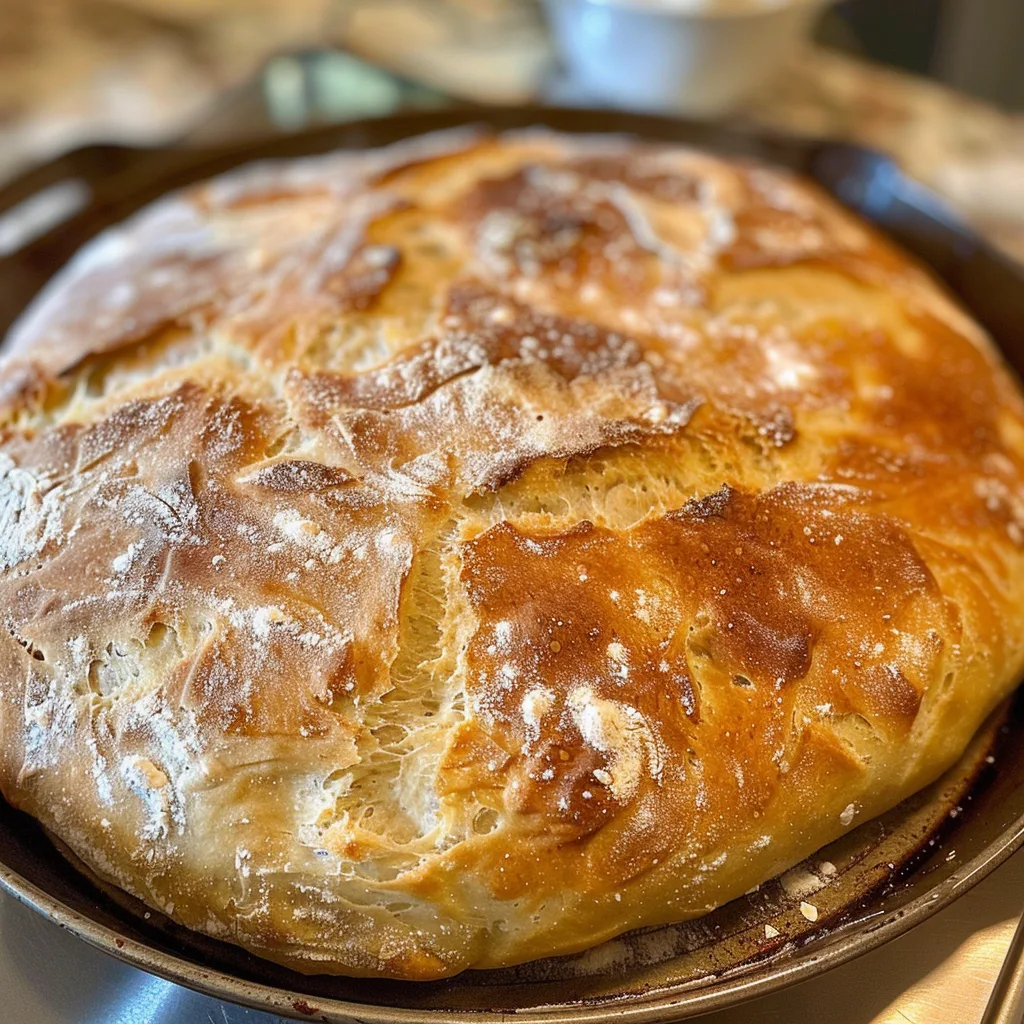
Finding communion bread that fits a gluten-free lifestyle isn’t just about diet—it’s deeply personal. If you’ve ever sat through communion feeling excluded because of celiac or gluten intolerance, you’re not alone. This article shares my story and walks you through an inclusive, delicious gluten free communion bread recipe. You’ll discover which ingredients create the best texture, how churches approach gluten-free options, and how to make bread that’s reverent and ready for worship. Whether you’re baking for yourself or your congregation, this guide brings faith, flavor, and community to the table.
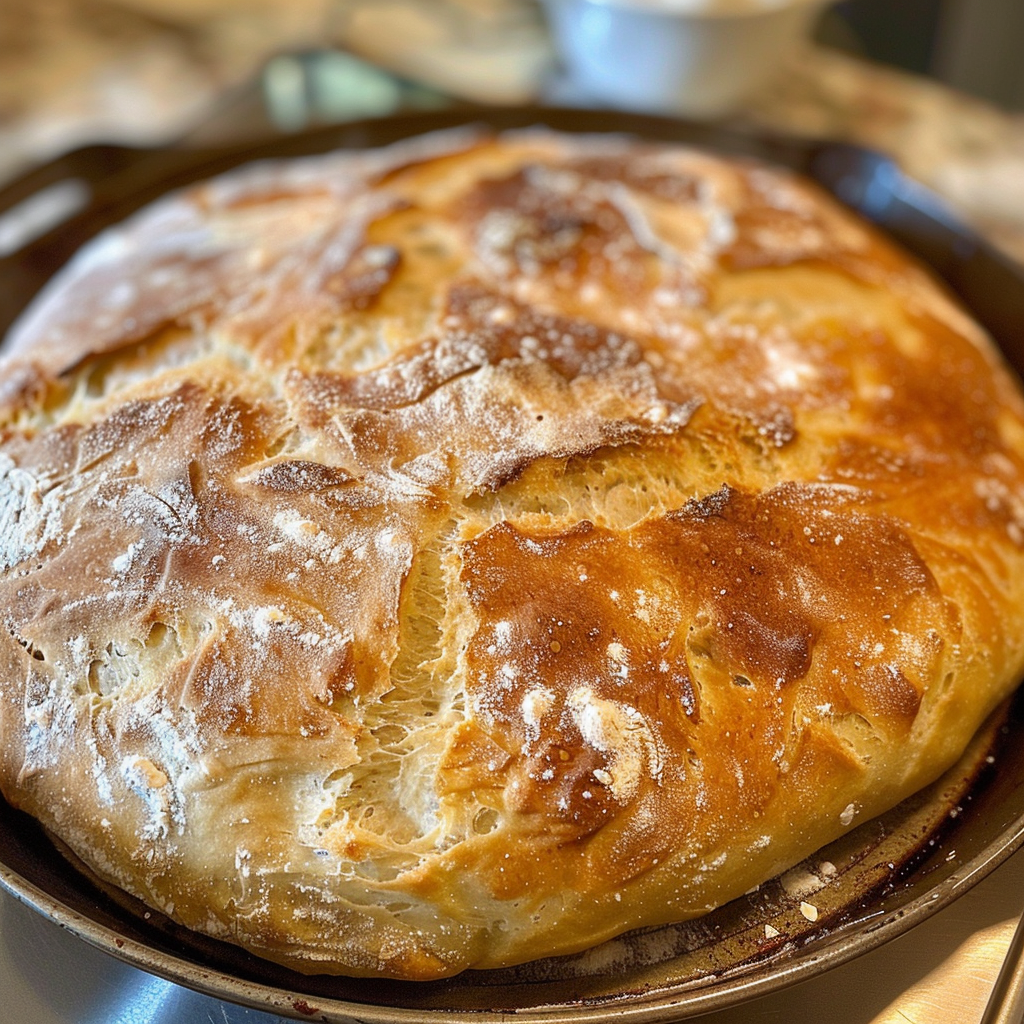
Table of Contents
Table of Contents
Gluten Free Communion Bread Recipe: Simple, Sacred & Safe for All
- Total Time: 35 minutes
- Yield: 4 loaves
- Diet: Gluten Free
Description
This gluten free communion bread is soft, simple, and perfect for home or church services. Made with wholesome flours and no yeast.
Ingredients
Brown Rice Flour: 1 1/4 cup
Tapioca flour: 1 1/4 cup
Teff Flour: 1/2 cup
Sugar: 1/4 cup
Baking soda: 1/2 tsp
Baking powder: 1 tsp
Salt: 1/2 tsp
Psyllium husks (whole): 6 T.
Oil: 1/4 cup (plus extra for brushing)
Apple cider vinegar: 1/2 tsp
Water: 2 cups
Instructions
1. Preheat oven to 350°F and line baking tray with parchment.
2. Whisk all dry ingredients together in a large bowl.
3. Mix oil, vinegar, and water separately; pour into dry mix.
4. Stir for 2 minutes until batter becomes thick and sticky.
5. Divide dough into 4 loaves and shape on tray.
6. Score a cross and brush lightly with oil.
7. Bake at 350°F for 12 minutes.
8. Remove, re-oil and re-score; increase oven to 400°F.
9. Bake an additional 12 minutes.
10. Cool loaves completely on wire rack before serving.
Notes
Use whole psyllium husks—not powder—for best texture.
Loaves freeze well if tightly wrapped after cooling.
- Prep Time: 10 minutes
- Cook Time: 24 minutes
- Category: Bread
- Method: Baking
- Cuisine: Religious
Step-by-Step Recipe Gluten Free Communion Bread Recipe
Mix Dry Ingredients First
Start with the base: brown rice flour, tapioca flour, teff, baking soda, baking powder, salt, sugar, and psyllium husk. Whisk them together to evenly distribute leavening and binders. This helps your gluten free communion bread recipe bake evenly.
Add the Wet Ingredients
In a small bowl, combine oil, apple cider vinegar, and water. Pour it into your dry mix and stir well. After two minutes, you should have a thick, slightly sticky batter. That texture is perfect—it’s the psyllium husk doing its job.
Shape the Loaves
Divide the dough into four equal pieces. Shape each into a round loaf and place on a parchment-lined tray. If you want to, lightly score a cross on top and brush with oil. This gives the loaves a classic, reverent finish.
First Bake at 350°F
Bake the loaves for 12 minutes. Remove them from the oven, re-brush with oil, and re-score if the design has faded. This quick mid-bake step gives your bread an even, golden look.
Final Bake at 400°F
Crank up the oven to 400°F and return the tray for another 12 minutes. This high-heat finish helps the outside firm up without over-drying the inside.
Cool Completely
Place the loaves on a cooling rack right after baking. This is important—cooling sets the final structure and prevents soggy bottoms. Don’t skip it.
Troubleshooting Tips
Too Dense?
Cut back a little on water. Stick to exactly 2 cups—too much can turn your dough gummy.
Too Dry?
That usually means not enough psyllium or an oven that runs hot. Make sure you’re using whole psyllium husks—not powder.
Scoring Disappears?
Try chilling the shaped dough before scoring. It holds its shape better and won’t spring flat.
Loaves Stick?
Use parchment paper and lightly oil it. Avoid wax paper—it will stick and ruin the base.
Freezing Instructions
Yes, they freeze well. Just cool completely, wrap tightly, and store flat. Reheat before serving to bring back softness.

Equipment of Gluten Free Communion Bread Recipe
- Mixing bowls (1 large, 1 small) – For combining dry and wet ingredients separately
- Whisk – To evenly blend dry ingredients
- Measuring cups and spoons – Accurate measurement is crucial for texture
- Silicone spatula or wooden spoon – For mixing the thick gluten-free batter
- Parchment paper – To prevent sticking and aid even baking
- Baking tray or sheet pan – Standard flat pan works great
- Oven – Preheated for dual-stage baking (350°F and 400°F)
- Knife or scoring blade – Optional, for gently marking a cross on each loaf
- Pastry brush – For lightly coating loaves with oil
- Cooling rack – Essential to allow air circulation and prevent soggy bottoms
Church Regulations & Serving Guidance Gluten Free Communion Bread Recipe
What the Catholic Church Says
If you’re Catholic, full gluten-free communion wafers are not permitted. The Vatican requires wheat-based hosts to maintain sacramental integrity. However, low-gluten hosts—which contain trace amounts of wheat but are processed to remove most gluten—are accepted. These are available through specialty religious suppliers and can be consecrated during Mass.
Why Gluten-Free Bread Isn’t Allowed
Catholic doctrine holds that communion bread must contain wheat and no other grain. That’s why breads made only from rice, almond, or teff don’t qualify. This is based on canon law and the symbolism of bread from wheat grain as used in the Last Supper. If you’re affected by celiac or gluten sensitivity, consult your parish about low-gluten options approved by the U.S. Conference of Catholic Bishops.
What About Other Churches?
Many Protestant denominations are more flexible. Methodist, Lutheran, Presbyterian, Episcopal, and many nondenominational churches often allow fully gluten-free communion bread. They may use homemade loaves or certified gluten-free wafers. If you’re baking for one of these communities, this recipe is typically acceptable.
Hosting a Gluten-Free Communion
If your church doesn’t already offer gluten-free options, consider making a small loaf with this recipe and serving it on a dedicated plate with separate tongs to avoid cross-contamination. Labeling it clearly ensures inclusivity without confusion during service.
Conclusion
Sharing communion is a powerful, intimate moment. When dietary restrictions create a barrier to that experience, it can feel isolating. That’s why a thoughtfully made gluten free communion bread recipe matters so much—it welcomes everyone to the table.
With just a few ingredients and mindful preparation, you can bake bread that honors both faith and health. Whether you’re baking for a congregation or a quiet moment at home, this recipe is simple, inclusive, and full of grace. Let’s continue making sacred spaces more welcoming, one loaf at a time.
Want to share your version or ask about adapting for your church? Head to our contact page—I’d love to hear from you.
Can Communion be gluten-free?
Yes, in many Protestant churches, fully gluten-free communion bread is welcomed. However, in the Roman Catholic Church, only low-gluten hosts made with a small amount of wheat starch are permitted. Always check with your specific denomination or clergy for guidance.
What is the trick to making good gluten-free bread?
Use a blend of gluten-free flours, add psyllium husk for structure, and don’t skip the resting or cooling steps. For communion bread, simplicity is key—skip yeast and use natural binders to avoid crumbling.
Why the Catholic Church bans gluten-free communion wafers?
The Catholic Church requires that communion hosts contain wheat to maintain the doctrine of transubstantiation. Purely gluten-free wafers, made without wheat, are considered invalid for consecration. Low-gluten hosts, however, are allowed under specific conditions.
What kind of bread can be used for Communion?
That depends on your denomination. Catholics must use unleavened wheat bread. Most Protestant churches allow a wider range, including homemade, gluten-free, or leavened loaves. The key is the intent and reverence with which it’s made and shared.