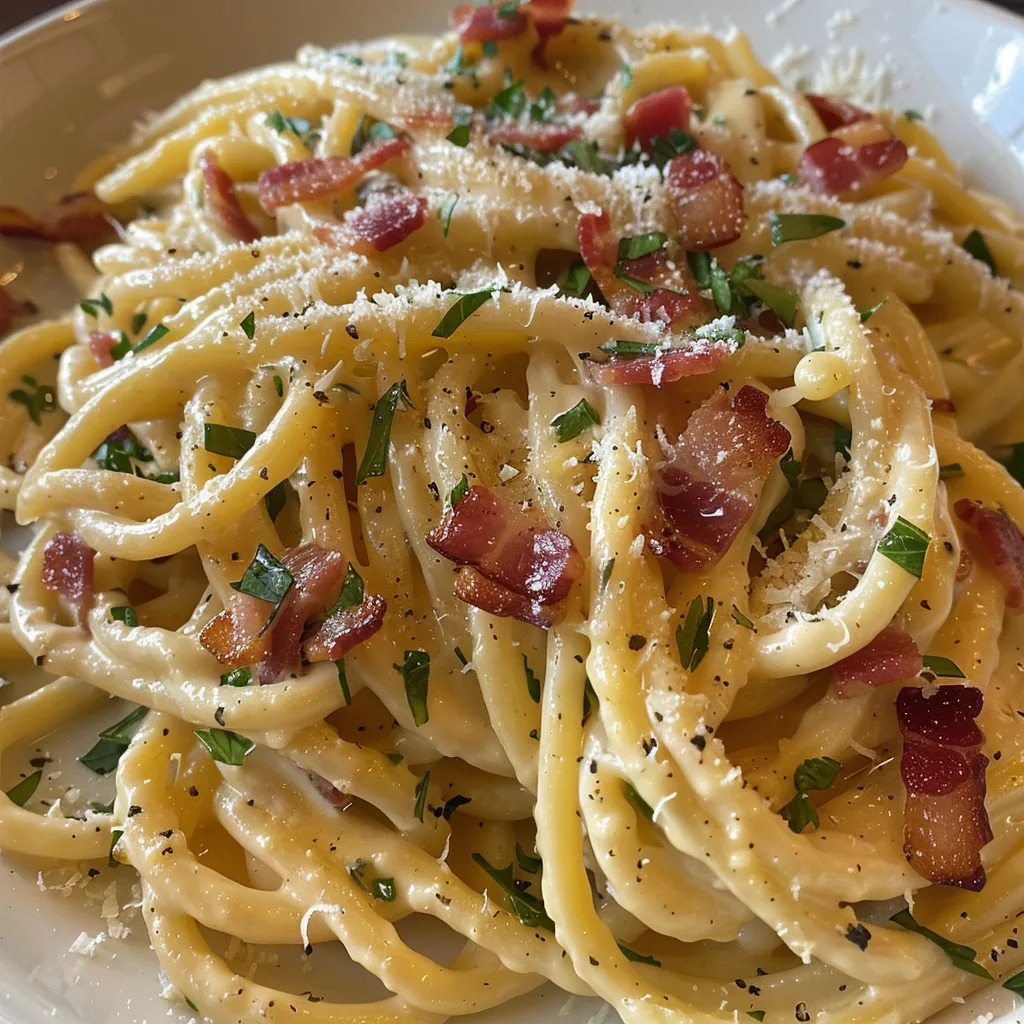
There’s something magical about a pasta dish that looks gourmet yet takes barely half an hour to make. Classic bacon carbonara pasta (quick & easy) is exactly that. With its silky egg-based sauce, salty bacon, and shower of cheese, this recipe proves that comfort food doesn’t have to be complicated.
The beauty of carbonara lies in its simplicity. You only need a handful of ingredients—pasta, eggs, cheese, and bacon—to create a meal that tastes like it came straight out of a cozy Italian kitchen. No cream, no shortcuts, just a clever mix of heat, timing, and good-quality staples.
In this article, we’ll walk through how to make carbonara the easy way, share ingredient swaps, pro tips, common pitfalls, and even creative twists you can try at home. By the end, you’ll see why bacon carbonara deserves a spot in your weeknight dinner rotation.
Table of Contents
Table of Contents
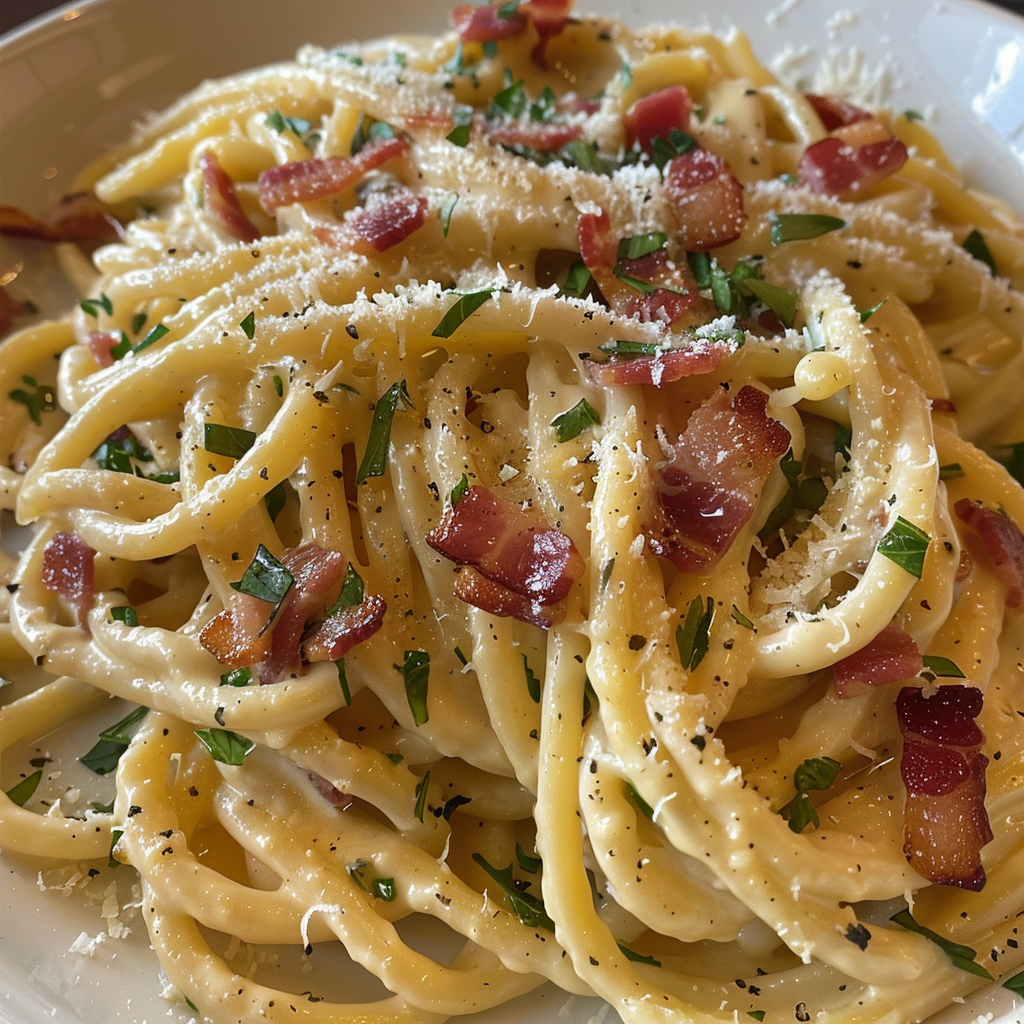
Ingredients for Classic Bacon Carbonara Pasta (Quick & Easy)
One of the reasons bacon carbonara pasta is so beloved is because it uses just a handful of simple ingredients. Each one plays a big role, so choosing good quality makes all the difference. Here’s what you’ll need:
Core Ingredients
- Pasta – Spaghetti is the traditional choice, but linguine, fettuccine, bucatini, or even rigatoni will work beautifully.
- Bacon – Thick-cut strips give the best texture and smoky flavor. If you’d like to go more authentic, pancetta or guanciale can be swapped in.
- Eggs – Whole eggs or a mix of yolks and whites are whisked with cheese to form that silky, no-cream sauce.
- Cheese – Freshly grated Parmesan or Pecorino Romano brings sharp, salty richness. A blend of both is even better.
- Black Pepper – Freshly cracked pepper gives the sauce its signature kick and aroma.
- Reserved Pasta Water – The secret ingredient! Starchy cooking water emulsifies the eggs and cheese into a creamy coating.
Optional Add-Ons
- Garlic – Not traditional, but a clove sautéed with the bacon can deepen flavor.
- Green Peas – For a pop of sweetness and color, common in modern twists.
- Fresh Parsley – Sprinkled over the top for a fresh, herby finish.
Ingredient Notes
- If using bacon, watch the salt levels, since Parmesan or Pecorino already bring plenty of salinity.
- For a smoky variation, some chefs even recommend smoked bacon or cheeses like gouda (as explained in this smoky carbonara adaptation).
- Always grate cheese fresh—pre-shredded versions won’t melt as smoothly into the sauce.
Step‑by‑Step Classic Bacon Carbonara Pasta (Quick & Easy)
Get set (2 minutes)
- Grate ¾–1 cup Parmesan or Pecorino Romano.
- Whisk 2 large eggs + 1 yolk with the cheese and ½ tsp freshly cracked pepper. Set aside.
- Bring a large pot of salted water to a boil.
Boil the pasta (8–10 minutes)
- Drop 12 oz (340 g) spaghetti into boiling water.
- Stir, then cook al dente.
- Just before draining, reserve 1–1½ cups starchy pasta water.
Crisp the bacon (while pasta cooks)
- In a large skillet over medium heat, cook 6–8 oz thick‑cut bacon, sliced into small strips.
- Stir until crispy edges form and fat renders, 6–8 minutes.
- Turn heat low. Scoop out half the bacon to keep it extra crisp; leave the rest (and the fat) in the pan.
Make the egg‑cheese base (1 minute)
- Re‑whisk the egg mixture. If it’s very thick, add 1 Tbsp warm pasta water to loosen. This helps prevent clumps.
Create the emulsion off heat (the crucial toss)
- Turn off the skillet heat. Add drained spaghetti to the bacon and fat; toss well.
- Immediately pour in the egg‑cheese mixture, tossing constantly with tongs.
- Splash in ¼ cup hot pasta water at a time, tossing until the sauce turns glossy and creamy.
- Keep the pan off direct heat; the residual warmth cooks the eggs gently.
Adjust texture & season
- If the sauce looks tight, add a bit more pasta water until it flows and coats.
- Taste, then add pepper and a small pinch of salt only if needed (bacon + cheese are already salty).
Finish & serve
- Fold back the reserved crispy bacon.
- Twirl into bowls and shower with more Parmesan or Pecorino.
- Optionally add parsley or green peas for color (modern, not traditional).
Optional smoky twist
If you like a subtle campfire note, you can use smoked bacon or blend in a touch of smoked cheese; however, go lightly so it doesn’t overpower the sauce’s balance. Here’s a chef’s take on building gentle smokiness without cream:
Source: smoky carbonara tips
Troubleshooting (at a glance)
- Scrambled bits? You added eggs over too‑hot pasta or direct heat. Next time, cool the pan 30 seconds and toss faster.
- Too thick or sticky? Add warm pasta water, tablespoon by tablespoon, and toss vigorously.
- Greasy sheen? You used too much fat. Blot a little or balance with more starchy water.
- Clumpy cheese? Cheese wasn’t finely grated or mixture too cold—whisk smoother next time and temper with a splash of hot water first.
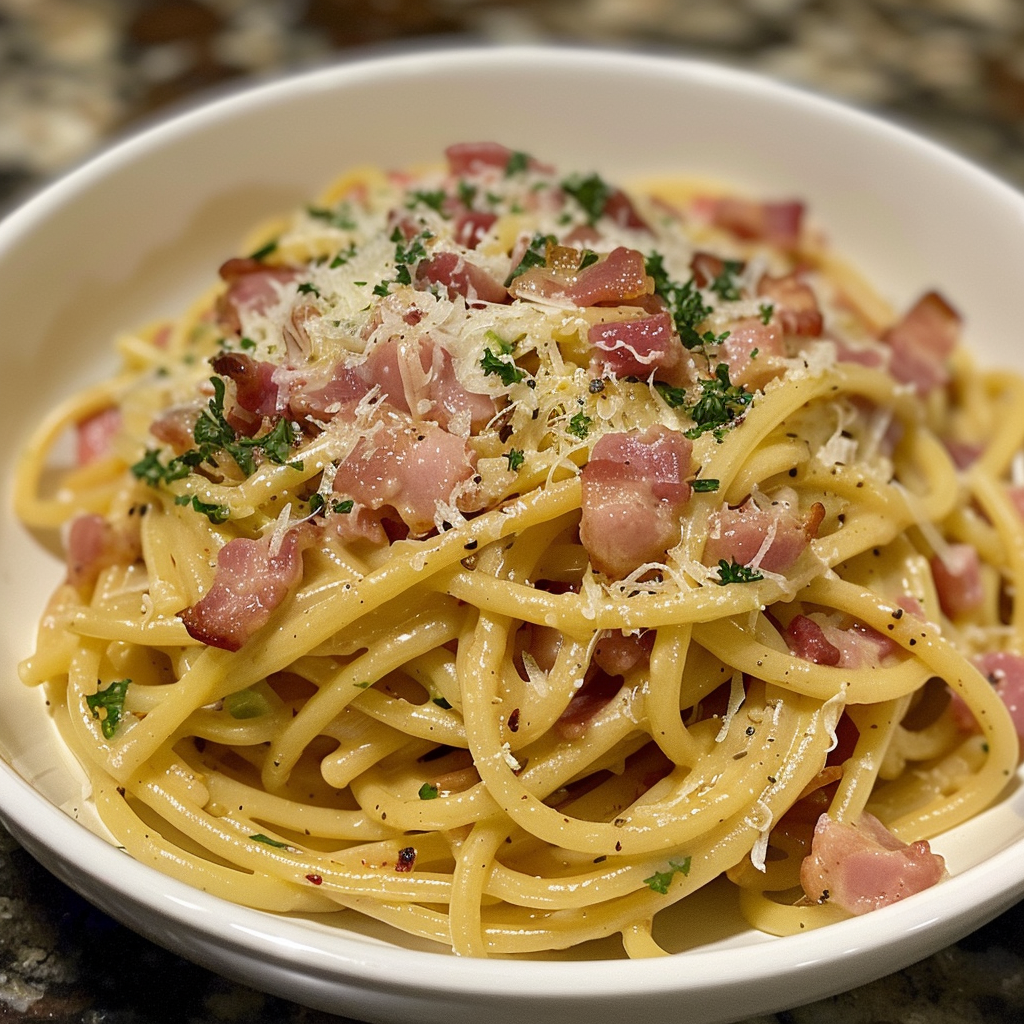
With careful timing, steady tossing, and smart use of pasta water, your classic bacon carbonara pasta will be ultra‑creamy, glossy, and weeknight‑fast—every
Tools You’ll Need for Classic Bacon Carbonara Pasta (Quick & Easy)
One of the best parts of making bacon carbonara pasta is that you don’t need any fancy gadgets. Just a few kitchen basics, and you’re set to create a silky, comforting plate of pasta in under half an hour. Here’s your go-to toolkit:
Large Pot
For boiling the pasta. Choose one big enough so spaghetti can cook evenly without sticking together.
Deep Skillet or Sauté Pan
Used to crisp the bacon and toss the pasta with the sauce. A wide skillet with tall sides works best since everything gets combined here.
Tongs
Perfect for lifting and tossing spaghetti through the sauce. Tongs let you coat every strand without breaking them.
Mixing Bowl
Needed for whisking together eggs, grated cheese, and pepper before adding it to the pasta.
Whisk or Fork
Helps you beat the egg-cheese mixture until smooth. A whisk makes it quicker, but a fork works in a pinch.
Measuring Cups or Ladle
To reserve the starchy pasta water that creates the creamy sauce. A ladle is especially handy for adding small amounts gradually.
Colander
For draining pasta. Shake well but don’t rinse—you want that surface starch for emulsifying the sauce.
Wooden Spoon or Spatula
For stirring bacon as it crisps and for scraping up flavorful browned bits in the pan.
Cheese Grater or Microplane
Freshly grated Parmesan or Pecorino Romano melts better and gives the sauce a smoother consistency.
Serving Bowls
Warm, shallow bowls keep the pasta hot and showcase that glossy sauce and crispy bacon.single time.
Frequently Asked Questions About Classic Bacon Carbonara Pasta (Quick & Easy)
What can I use instead of guanciale in carbonara?
If you can’t find guanciale, thick-cut bacon or pancetta makes an excellent substitute. They’re more accessible and still give that smoky, savory depth that balances the creamy sauce.
Why doesn’t authentic carbonara use cream?
Traditional Italian carbonara gets its creaminess from the emulsion of eggs, cheese, and starchy pasta water. No cream is needed. Adding cream is a modern shortcut, but the original relies on technique, not extra dairy. (See this authentic Italian carbonara method for why the egg-based sauce is key.)
How do I prevent scrambled eggs in carbonara?
Timing and heat control. Always remove the skillet from direct heat before adding the egg-cheese mixture. Toss the pasta quickly, adding small splashes of hot pasta water to cook the eggs gently and keep the sauce silky instead of scrambled.
Can I make carbonara without eggs?
Technically yes, but it won’t be real carbonara. You can swap in cream or extra cheese for a creamy pasta, but it becomes an “egg-free creamy bacon pasta” rather than classic carbonara.
Hungry for more? Visit our website for full recipes and follow us on Pinterest for daily foodie inspo you’ll love to pin!