introduction
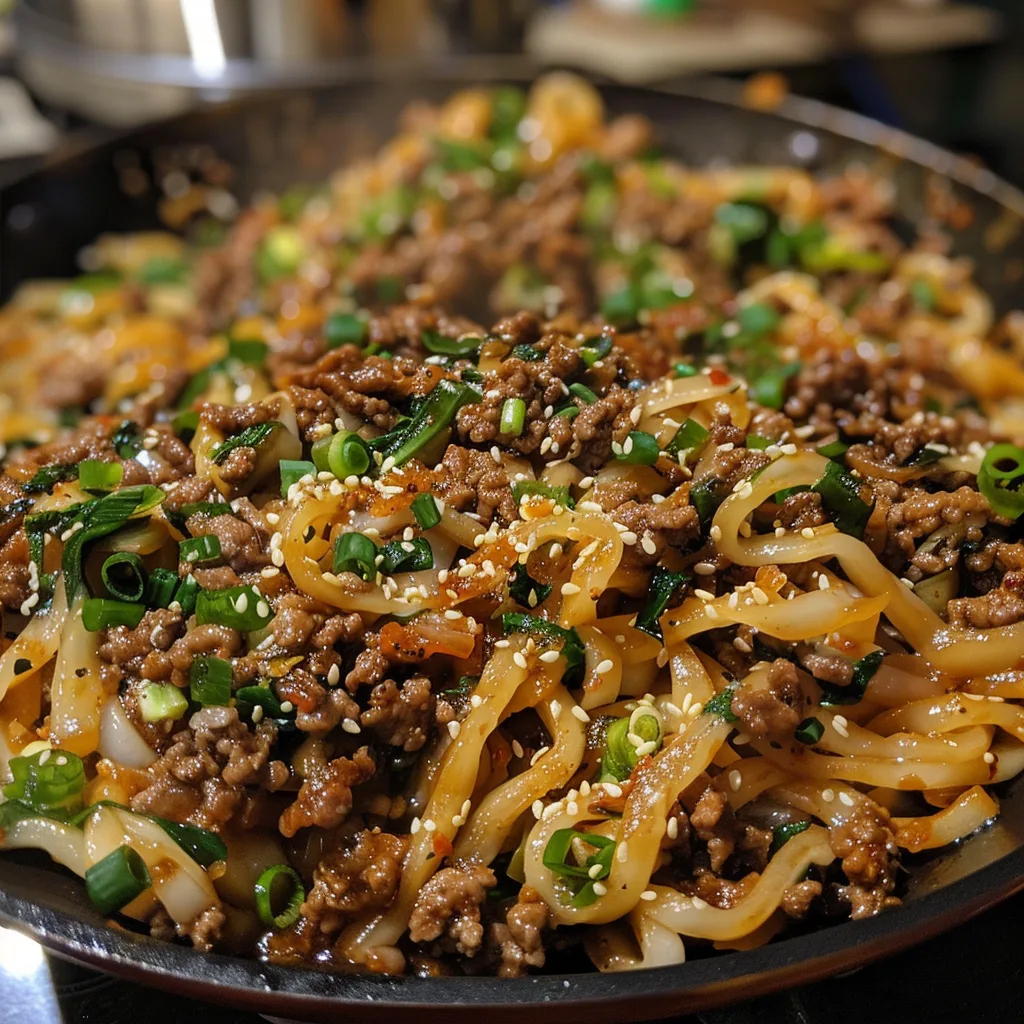
There’s something absolutely irresistible about a plate of sweet and savory noodles tangled with juicy ground beef. That’s where Mongolian Ground Beef Noodles step into the spotlight. Quick to whip up and bursting with bold flavor, this dish has become a go-to favorite for busy weeknights and comforting weekend dinners alike.
It’s not just a typical noodle recipe—it’s a smart twist on traditional Mongolian beef, made more accessible with pantry staples and a lot less effort. From its rich, sticky sauce to the silky noodles that soak it all up, this recipe screams simplicity and satisfaction. Whether you’re new to Asian-inspired dishes or a seasoned kitchen ninja, you’re in for a flavor-packed treat.
Ready to find out what makes this dish so special? Let’s kick things off with what exactly these flavorful noodles are and where they got their name.
Key Ingredients for Mongolian Ground Beef Noodles
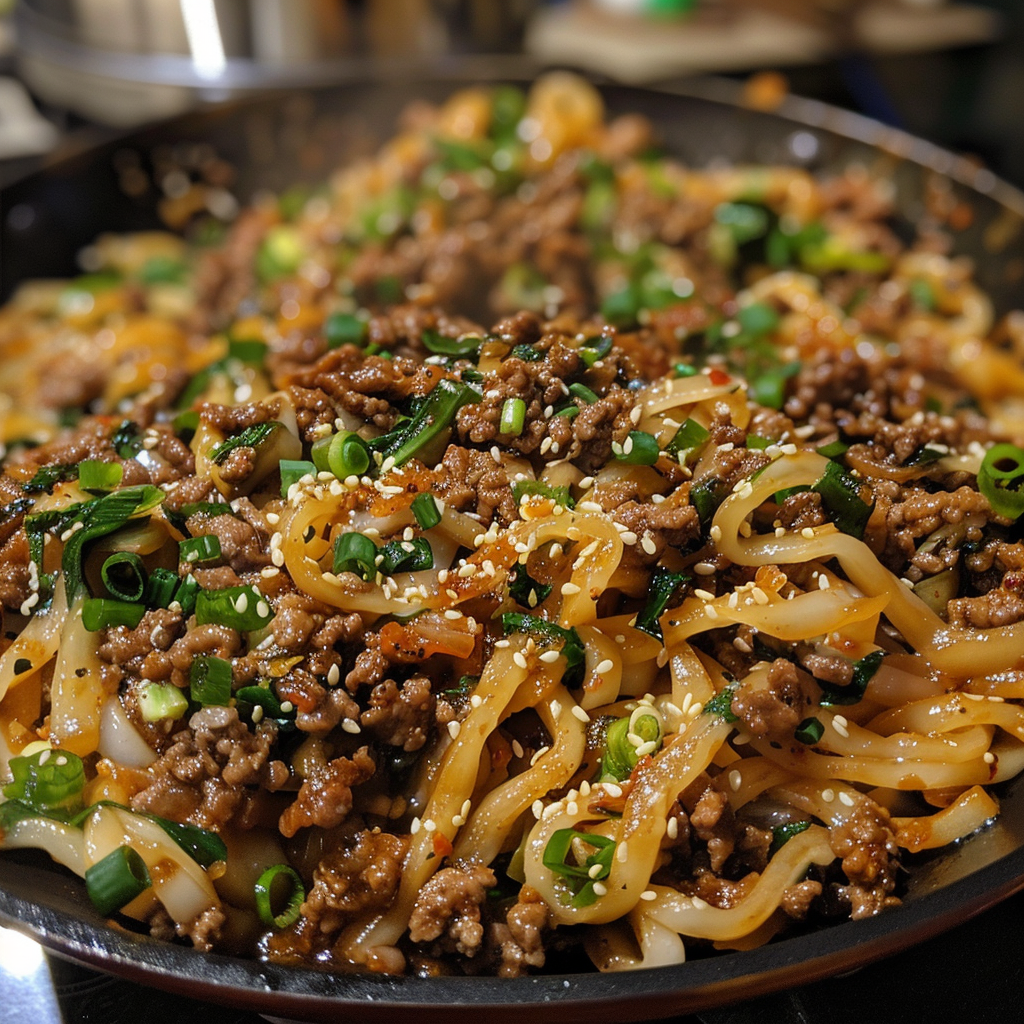
To create a mouthwatering noodle dish that tastes like it came from your favorite takeout spot, you only need a handful of pantry staples. Each ingredient in Mongolian Ground Beef Noodles plays a key role in building layers of sweet, savory, and umami flavors that make this meal so crave-worthy.
Let’s break down the essential components—and explore a few smart swaps for different diets too.
Ground Beef: The Star of the Show
Lean ground beef (80–90% lean) works best here. It cooks quickly and delivers richness without turning greasy. The small crumbles soak up the sticky Mongolian-style sauce, locking flavor into every bite.
Tip: You can also try ground turkey or plant-based meat for a lighter or vegetarian version.
Noodles That Soak Up All the Flavor
No surprise here—noodles are crucial. Go for options that hold up well to sauces:
- Lo mein noodles (traditional choice)
- Spaghetti noodles (easy substitute)
- Ramen noodles (budget-friendly)
Be sure to cook them al dente so they don’t turn mushy when mixed with the sauce later.
Soy Sauce: The Savory Backbone
Soy sauce is the base for that signature umami flavor. Want to make it gluten-free? Just swap in tamari, and you’re good to go.
Brown Sugar: Sweetness With Depth
Brown sugar balances the saltiness of the soy sauce and adds a deep, caramelized note. It’s what gives the sauce its glossy, crave-inducing finish.
Pro Tip: Want a refined sugar-free option? Use maple syrup or coconut sugar instead.
Fresh Garlic and Ginger: Flavor Bombs
These two aromatics turn your average stir-fry into something spectacular. Freshly grated ginger adds a slight zing, while minced garlic gives that toasty depth we all love in Asian dishes.
According to Healthline, ginger doesn’t just taste amazing—it’s packed with antioxidants and helps aid digestion too.
Cornstarch: For That Glossy, Clingy Sauce
A small amount of cornstarch thickens the sauce so it beautifully coats both the meat and noodles. No runny sauce puddles here—just sticky, velvety goodness in every bite.
Need a grain-free or paleo-friendly option? Try arrowroot powder or tapioca starch instead.
Scallions and Sesame Seeds: The Finishing Touch
Scallions bring color and a bit of mild onion flavor, while sesame seeds add a subtle crunch and nutty finish. These garnishes make the dish feel complete and restaurant-quality.
Where to Buy Authentic Ingredients
Most of these ingredients can be found at any big-name grocery store. But if you want that extra punch of authenticity, head to your local Asian market—you’ll often find:
- Fresh lo mein or yakisoba noodles
- Toasted sesame oil
- Better soy sauce varieties (like dark or mushroom soy)
Can’t make it out? Many online grocery stores stock these items, too.
Ingredient Substitutes for Every Diet
Here’s how to make your Mongolian Ground Beef Noodles work for everyone at your table:
| Need | Swap Option |
|---|---|
| Low-carb | Use zucchini noodles or shirataki |
| Gluten-free | Tamari + gluten-free noodles |
| Vegan | Ground tofu or Beyond Meat |
| No sugar | Coconut sugar or monk fruit sweetener |
Alright! Now that we’ve got your pantry prepped, it’s time to cook. Let’s walk through the step-by-step process to bring this flavorful dish to life in the next section.
Step-by-Step Guide to Making Mongolian Ground Beef Noodles
Making Mongolian Ground Beef Noodles is a breeze—even if you’re short on time or low on cooking experience. It’s a one-pan wonder with easy-to-follow steps, bold flavors, and minimal cleanup. Yes, please!
Follow this simple guide, and you’ll have a sizzling hot plate of sweet and savory noodles on the table in under 30 minutes.
Cook the Noodles First
Before anything else, get those noodles ready.
Choose the Right Noodles
Go with lo mein, ramen, or even spaghetti if that’s what you’ve got. Just make sure the noodles are firm enough to hold up against the thick, flavorful sauce.
Boil and Drain
Cook them just shy of al dente—that means pulling them off the heat about 1 minute before the package instructions say they’re done. Why? Because they’ll finish cooking when you toss them with the beef and sauce later.
Prevent Sticking
Once drained, toss the noodles with a tiny drizzle of sesame oil to keep them from clumping. Set them aside while you move on.
Brown the Ground Beef Like a Pro
Heat Your Skillet
Place a large pan or wok over medium-high heat. Add 1–2 tablespoons of neutral oil (like vegetable or avocado oil).
Add the Beef
Toss in your lean ground beef and let it sizzle. Use a wooden spoon or spatula to break it into small crumbles.
Cook Until Browned
You want that beautiful golden-brown color—not gray or mushy. It takes about 6–8 minutes. If your beef releases a lot of grease, go ahead and drain the excess fat. Too much oil can make your sauce slide right off the noodles.
Whip Up the Mongolian Sauce
Here’s where the magic happens.
Mix the Sauce Ingredients
In a small bowl, combine:
- ½ cup low-sodium soy sauce
- ½ cup brown sugar
- 1 tablespoon grated fresh ginger
- 2 cloves of garlic, minced
- 2 tablespoons cornstarch
- Optional: 1 tsp rice vinegar or a pinch of red chili flakes for extra zing
Whisk until smooth.
Pour It In and Simmer
Reduce your heat to medium. Pour the sauce mixture over the cooked beef and stir constantly for 2–3 minutes. You’ll notice the sauce thickens quickly—thanks to the cornstarch.
Want richer depth? Add a teaspoon of hoisin or oyster sauce, or even a dash of umami-packed soy variation if you have one.
Combine and Toss Everything Together
Now, bring it all home.
Add the Noodles
Gently add the noodles to the skillet. Toss them with the beef and sauce until everything’s beautifully coated. This step might feel a bit messy, but don’t worry—it’s all coming together.
Taste and Tweak
Now’s the time to tweak:
- Too salty? Add a pinch of brown sugar or a splash of water.
- Not salty enough? A dash more soy sauce will fix that.
- Want it spicy? Sprinkle on red pepper flakes or a squeeze of sriracha.
Garnish and Serve
Top your noodles with:
- Chopped scallions (green onions)
- Toasted sesame seeds
- Optional: julienned carrots, crushed peanuts, or a soft-boiled egg
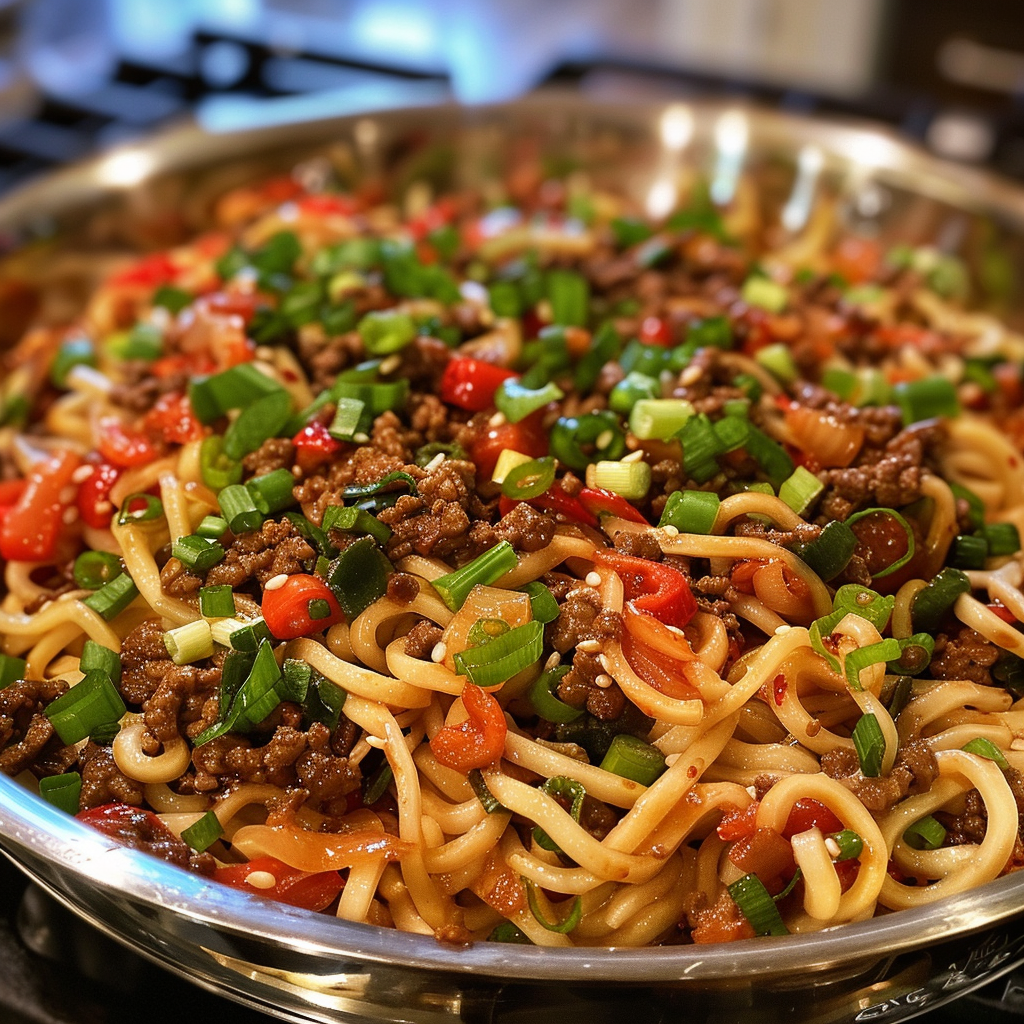
Serve hot, and boom—dinner’s done! You’ve just nailed an easy, restaurant-style noodle dish that tastes even better than takeout.
FAQs About Mongolian Ground Beef Noodles
Still got questions? No worries—we’ve rounded up the most common ones people ask about Mongolian Ground Beef Noodles. Let’s clear up the confusion and help you make this dish with total confidence.
What is special about Mongolian beef?
Mongolian beef is loved for its bold sweet-and-savory flavor combo. It’s usually made with soy sauce, brown sugar, garlic, and ginger—ingredients that form a sticky, caramelized sauce. While classic versions use thinly sliced beef, our ground beef noodle version keeps all the flavor but cuts down on time and effort.
Are Mongolian Ground Beef Noodles actually Mongolian?
Surprisingly, no! Despite the name, this dish isn’t traditional Mongolian cuisine. According to Wikipedia, Mongolian food focuses more on dairy and meats like lamb, with very little soy or sugar. So, Mongolian beef noodles are a Western creation inspired by Asian flavors, not a dish from Mongolia.
What noodles work best for this recipe?
The beauty of this recipe is that it’s super flexible. Great noodle options include:
- Lo mein noodles
- Ramen noodles
- Spaghetti (yep, even that works!)
Just make sure they’re firm and springy, not too soft, so they hold up well in the sauce.
Can I use ground turkey or chicken instead of beef?
Absolutely! Ground turkey or ground chicken makes this recipe leaner without sacrificing flavor. Just keep in mind, turkey is lower in fat, so you might need to add a splash of sesame oil or a little hoisin sauce for extra richness.
Is Mongolian Ground Beef Noodles gluten-free?
It can be! To make a gluten-free noodle bowl, simply:
- Use tamari instead of regular soy sauce
- Choose gluten-free spaghetti or rice noodles
- Swap cornstarch with arrowroot powder for thickening
That’s it—your dish is now allergy-friendly and still packed with flavor.
How long do beef noodles last in the fridge?
Once cooked, these noodles will keep in an airtight container in the fridge for 3 to 4 days. For best results, reheat them in a skillet with a splash of water or soy sauce to loosen the noodles.
Hungry for more? Visit our website for full recipes and follow us on Pinterest for daily foodie inspo you’ll love to pin!