Introduction
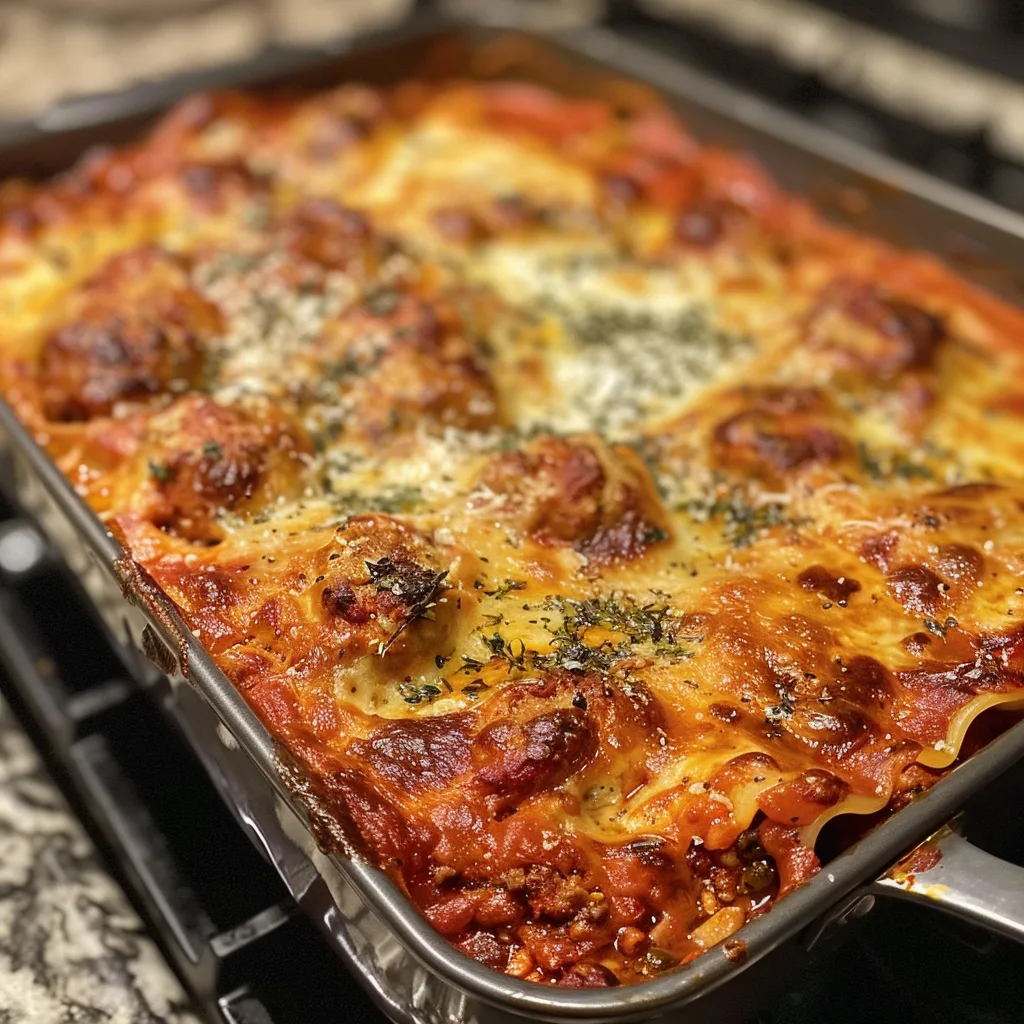
When you think of hearty, family-style meals that warm the soul and fill the belly, Lasagna with Meatballs rises to the top of the list. This dish brings together tender layers of pasta, rich tomato sauce, gooey cheese, and juicy meatballs to create a flavor-packed experience that’s hard to beat.
But what makes this dish so special? And how can you master it at home—even if you’re not a trained chef?
In this post, we’ll walk you through everything from the history of this beloved Italian-American dish to step-by-step instructions, tips, variations, and even answers to common questions. Whether you’re making dinner for two or planning for a family gathering, this guide will turn you into a meatball lasagna pro.
Let’s dive into the delicious world of lasagna and meatballs!
Table of Contents
Table of Contents
Essential Ingredients for Lasagna with Meatballs
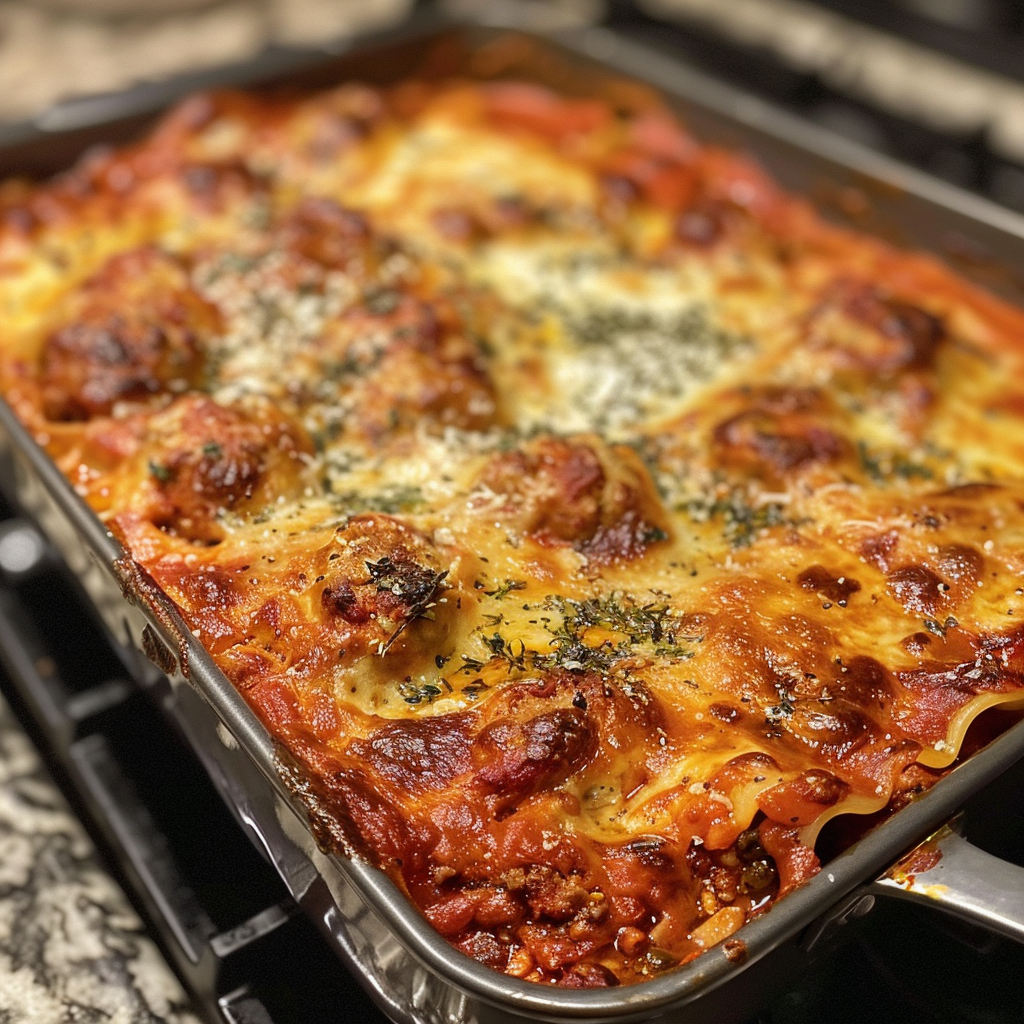
If you want a lasagna that melts in your mouth and makes your kitchen smell like an Italian trattoria, start with top-tier ingredients. From the meatballs to the sauce and cheeses, each component plays a vital role in building that unforgettable bite.
Let’s break down everything you need to create the perfect lasagna and meatballs masterpiece.
Ingredients for the Juiciest Meatballs
The meatballs are the crown jewels of this dish, so don’t cut corners here. Homemade meatballs bring flavor, texture, and a tender bite that frozen ones just can’t match.
Here’s what you’ll need:
- Ground beef (80/20 for a good fat balance)
- Ground pork or Italian sausage (adds depth and richness)
- Breadcrumbs (Italian-style for extra seasoning)
- Grated Parmesan cheese
- Chopped parsley or fresh basil
- Garlic and onion (minced fine for flavor without bulk)
- Milk and eggs (to bind and moisten)
- Salt, pepper, and a pinch of red pepper flakes
Pro Tip: Mix gently and don’t overwork the meat. You want tender meatballs, not dense golf balls.
Want a lighter option? Swap pork for ground turkey or try plant-based meatballs. Either way, the structure remains the same.
Ingredients for the Perfect Lasagna Layers
Now let’s talk pasta. You’ve got two choices: boil traditional noodles or go the no-boil route. Either works, but no-boil pasta sheets can save time and simplify layering.
You’ll also need:
- Lasagna noodles (traditional or oven-ready)
- Shredded mozzarella cheese
- Ricotta cheese (whole milk for creaminess)
- Grated Parmesan (yes, more cheese!)
- Fresh basil or parsley (for that burst of green)
Sauce: The Soul of Meatball Lasagna
The sauce makes or breaks a lasagna. Skip bland jarred sauces—go homemade if you can. Luckily, a great tomato basil marinara isn’t hard to whip up.
Here’s a basic sauce lineup:
- Canned San Marzano tomatoes (or crushed tomatoes)
- Garlic and onion (again, flavor foundation)
- Olive oil
- Fresh basil and oregano
- Salt, pepper, and a pinch of sugar
If you’re short on time, a quality store-bought marinara will do. Just look for minimal sugar and high tomato content.
Want to know the difference between a marinara and a classic tomato sauce? This resource breaks it down beautifully and helps you decide what fits best for your version.
Optional Add-Ins and Customizations
Looking to jazz it up? These extras take your meatball lasagna to the next level:
- Spinach (adds nutrients and color)
- Sautéed mushrooms or zucchini
- Red pepper flakes (for a little heat)
- A béchamel layer (for a creamy twist)
Don’t be afraid to get creative—as long as you balance flavor and texture, you can’t go wrong.
How to Make Lasagna with Meatballs Step by Step
Alright, aprons on! It’s time to transform all those flavor-packed ingredients into a bubbling, cheesy, golden-brown lasagna and meatballs dish that’ll have everyone begging for seconds.
This step-by-step guide makes the process easy to follow—even for beginners. Let’s roll up our sleeves and get cooking!
Step 1: Prepare and Cook the Meatballs
First things first—let’s get those juicy meatballs ready.
- Mix the meatball ingredients: In a large bowl, combine your ground meats, breadcrumbs, eggs, milk, Parmesan, minced garlic, chopped parsley, salt, and pepper.
- Form into balls: Use your hands or a cookie scoop to form meatballs around 1.5 inches in diameter. Don’t pack them too tight—you want them tender, not tough.
- Brown the meatballs: In a hot skillet with olive oil, brown the meatballs on all sides. No need to cook them through—they’ll finish baking in the lasagna.
- Set aside: Once browned, transfer them to a paper towel-lined plate and set them aside.
Pro Tip: Want to cut down on prep? You can bake the meatballs at 400°F for 20 minutes instead of pan-frying.
Step 2: Make the Marinara Sauce
While the meatballs cool, whip up a quick and savory homemade tomato sauce.
- Sauté onions and garlic in olive oil until soft and fragrant.
- Add tomatoes: Pour in crushed or whole San Marzano tomatoes (break them up with a spoon), and season with basil, oregano, salt, pepper, and a pinch of sugar.
- Simmer: Let the sauce bubble on low for about 25–30 minutes. This gives it depth and lets the flavors mingle.
Curious about what sets marinara apart from other sauces? Check out this guide on tomato sauces to dive deeper.
Step 3: Cook (or Don’t Cook) the Pasta Sheets
While your sauce simmers, prep the noodles:
- If you’re using traditional lasagna noodles, boil them until al dente, then drain and lay flat on parchment to prevent sticking.
- Using oven-ready lasagna sheets? No boiling needed—just layer and go!
Tip: If you boil your noodles, add a dash of olive oil to the pot and stir occasionally to avoid clumps.
Step 4: Layer the Lasagna with Meatballs
Now for the fun part—building your lasagna!
- Spread a thin layer of sauce on the bottom of your baking dish.
- Add a layer of noodles, slightly overlapping the edges.
- Dot with spoonfuls of ricotta, sprinkle on mozzarella and Parmesan.
- Place meatballs evenly across the layer (slice in half if needed for even spacing).
- Repeat: Sauce → noodles → cheese → meatballs. Do this until you reach the top of the pan.
- Top it off: Finish with a generous layer of sauce and cheese.
Step 5: Bake and Let It Rest
Here’s where everything comes together into melty, cheesy perfection.
- Cover with foil and bake at 375°F (190°C) for 30 minutes.
- Uncover and bake another 15–20 minutes until bubbly and lightly browned on top.
- Rest for at least 15 minutes before slicing. (Yes, really—this helps the layers hold together.)
Quick Note: Letting it rest is key! If you slice too soon, your lasagna might collapse into a saucy mess.
Variations of Lasagna with Meatballs
One of the best things about meatball lasagna? It’s endlessly customizable. Whether you’re cooking for picky eaters, special diets, or just feel like switching things up, there’s a version out there that fits your table perfectly.
Let’s explore some of the most-loved twists on this classic Italian-American comfort food—and a few unexpected ones that might just become your new favorite.
Classic Italian vs. Italian-American Meatball Lasagna
Traditional Italian-style lasagna often skips meatballs entirely, focusing more on meat sauces like ragù alla Bolognese. But over here, in Italian-American kitchens, we take those rich meatballs and layer them right into the dish.
Here’s how the styles differ:
- Classic Italian: Often includes béchamel, hand-rolled pasta, and pork or veal-based sauces.
- Italian-American: Typically features ricotta, marinara, and juicy beef meatballs.
No version is “wrong”—it all depends on your vibe. Want that creamy béchamel touch? Just swap it in for ricotta.
Vegetarian “Meatball” Lasagna
Yes, it’s totally possible to enjoy this dish without the meat—and without sacrificing flavor.
Try these veggie-friendly substitutes:
- Plant-based meatballs (store-bought or homemade with lentils or mushrooms)
- Zucchini or eggplant meatballs
- Spinach and ricotta balls (delicate, creamy, and satisfying)
Layer them just like traditional meatballs, and use your go-to tomato sauce to keep everything rich and hearty.
Gluten-Free and Low-Carb Variations
Avoiding gluten? Watching carbs? No worries—you can still dig into a steaming plate of lasagna with meatballs.
Here’s how:
- Gluten-free noodles: Available at most grocery stores—made from rice, corn, or chickpeas.
- Zucchini slices or eggplant: Use thin strips as noodle substitutes for a veggie-packed version.
- Low-carb meatballs: Skip the breadcrumbs and use almond flour or crushed pork rinds instead.
Don’t forget—gluten hides in sauces too. Check the label or make your own to keep things safe.
Skillet or One-Pan Meatball Lasagna
Pressed for time? Hate doing dishes? Say hello to skillet meatball lasagna.
This quick twist layers cooked meatballs, sauce, and cheese over lasagna noodles right in a large skillet—stovetop or oven-friendly. No layering, no fuss, but all the flavor.
Bonus: It’s ready in under 40 minutes!
Pro Tips to Elevate Your Meatball Lasagna
Want your lasagna with meatballs to go from “yum” to “oh-my-gosh-I-need-another-slice”? These tips are game changers:
Avoiding Soggy Lasagna
- Drain the ricotta if it’s watery.
- Don’t overdo the sauce in each layer.
- Let it rest after baking—it firms up as it cools.
Balancing Flavors with Herbs and Cheese
- Use fresh herbs like basil or oregano for brightness.
- Mix cheeses: try a blend of mozzarella, provolone, and Parmesan for complex, cheesy goodness.
Freezing and Meal Prep Tips
Planning ahead? Make and freeze a whole pan—or split it into two smaller ones.
- Freeze before baking for best results.
- Wrap tightly with foil and plastic to prevent freezer burn.
- Label with the date and reheating instructions.
Need expert advice on how to handle leftovers and reheating? Check out these food safety tips to make sure every bite is still delicious and safe.
Frequently Asked Questions About Lasagna with Meatballs
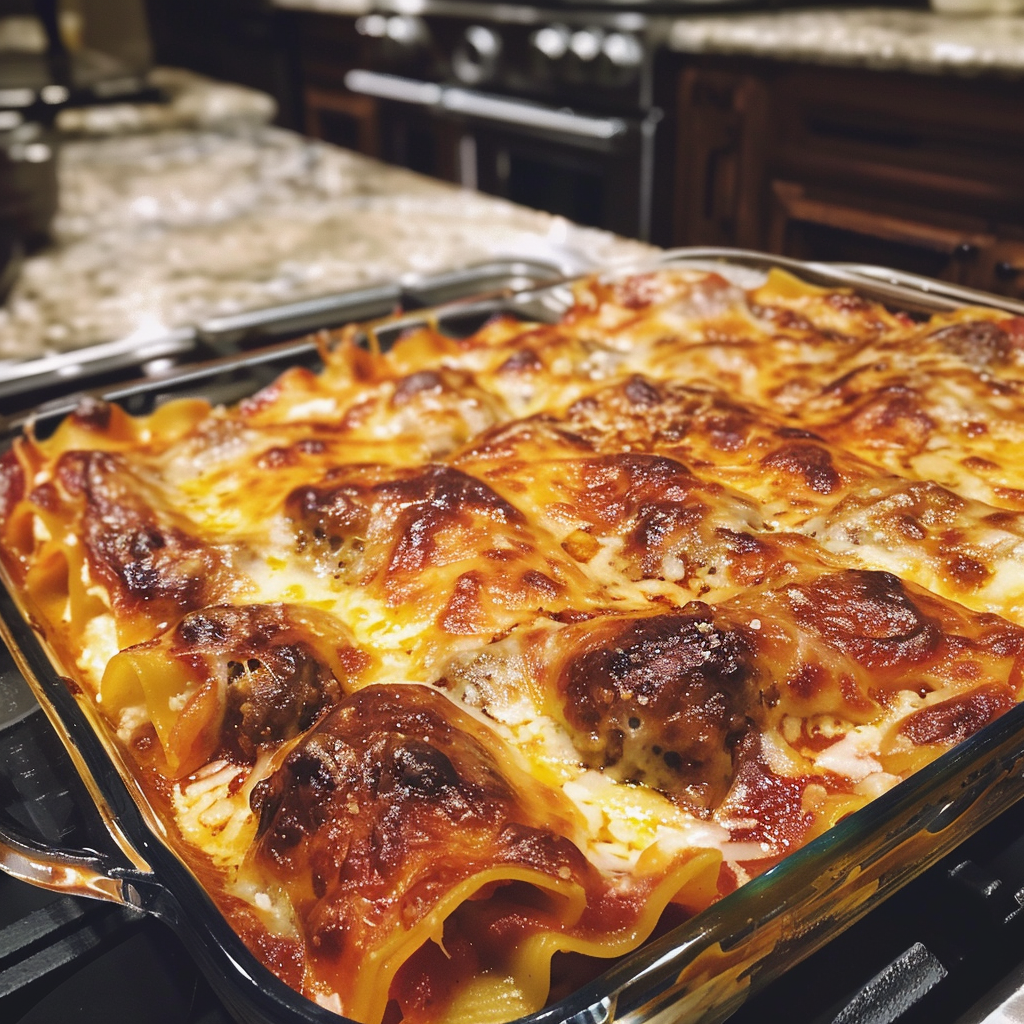
Got questions about making lasagna with meatballs? You’re not alone! Whether you’re wondering about prepping ahead, cooking methods, or ingredient swaps, we’ve got you covered with clear, bite-sized answers.
Can I use frozen meatballs in lasagna?
Yes, you can use frozen meatballs—especially when you’re short on time. However, homemade ones bring way more flavor and tenderness to the table. If you do go with frozen, make sure to:
- Thaw them first
- Brown them slightly for extra taste
- Use a quality sauce to balance the flavor
But trust us—if you’ve got 20 minutes, freshly made meatballs are worth every second.
Should I cook the meatballs before layering them in the lasagna?
Absolutely. You’ll want to at least brown your meatballs before they go into the lasagna. Why?
- It seals in moisture
- Adds flavor through caramelization
- Prevents excess grease from seeping into the pasta layers
You don’t have to cook them fully through—they’ll finish baking in the oven. But a good sear? Non-negotiable.
How long should I bake lasagna with meatballs?
Bake your assembled lasagna at 375°F (190°C):
- Covered with foil: 30 minutes
- Uncovered: 15–20 minutes until the top is golden and bubbly
Always let it rest for at least 15 minutes before slicing. That’s when the magic happens—it firms up, and every layer stays intact.
What cheese is best for lasagna with meatballs?
Classic combinations include:
- Mozzarella for meltiness
- Ricotta for creaminess
- Parmesan for that salty bite
Want to mix it up? Add provolone, fontina, or even a touch of sharp cheddar for deeper flavor.
Can I make lasagna and meatballs ahead of time?
You bet. This dish is practically made for meal prep.
- Assemble it up to 2 days in advance
- Store in the fridge, tightly covered
- Bake it just before serving for best results
You can also freeze it (uncooked or baked), then reheat directly from frozen—just add 15–20 minutes to your bake time.
Hungry for more? Visit our website for full recipes and follow us on Pinterest for daily foodie inspo you’ll love to pin!