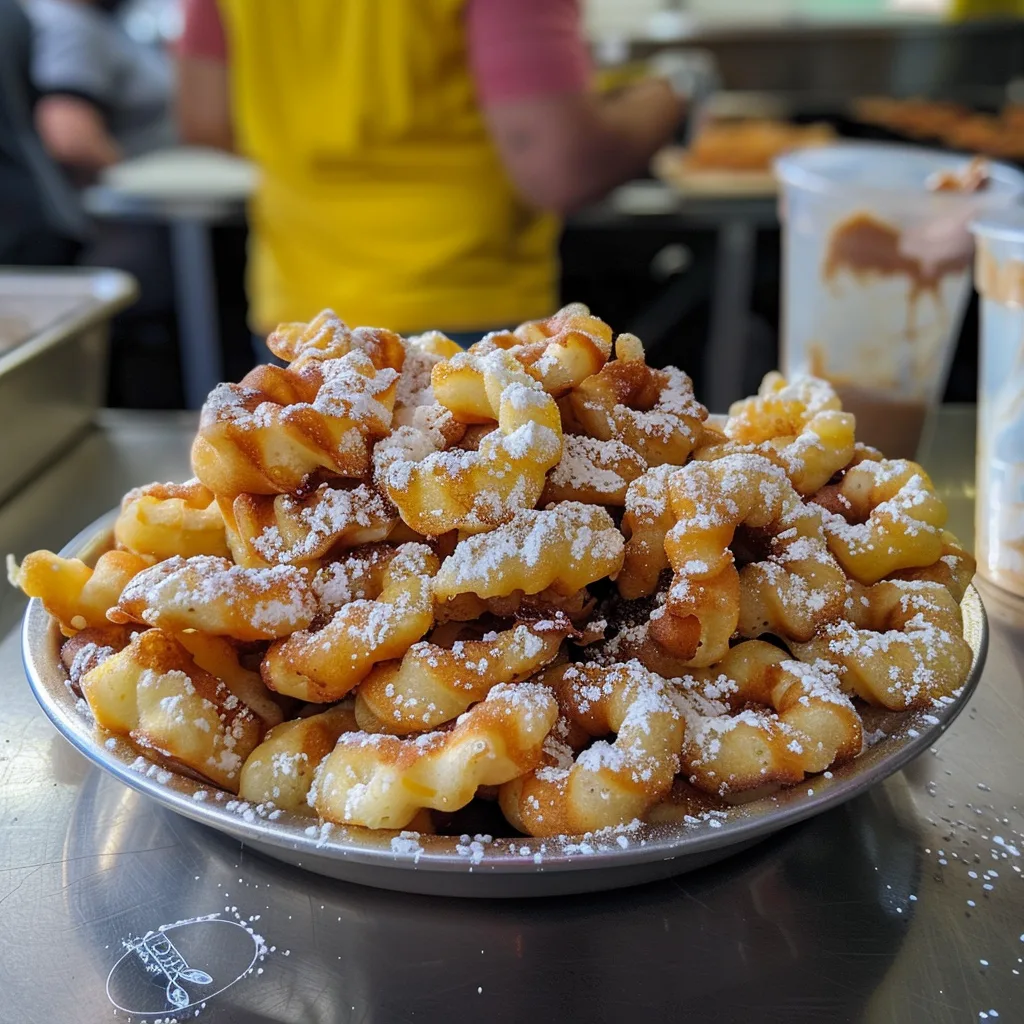
There’s something magical about the moment you spot that powdered sugar–dusted spiral of fried goodness at a fair. Funnel cakes aren’t just food—they’re a nostalgic bite of summer carnivals, bustling street festivals, and cozy county fairs. But here’s the best part: you don’t have to wait for the next event to enjoy them. With the right batter, a little frying know-how, and a touch of creativity, you can whip up this crispy fairground treat in your own kitchen. In this guide, we’ll explore everything from the origins of funnel cakes to the secrets of getting that golden crunch at home.
Table of Contents
Table of Contents
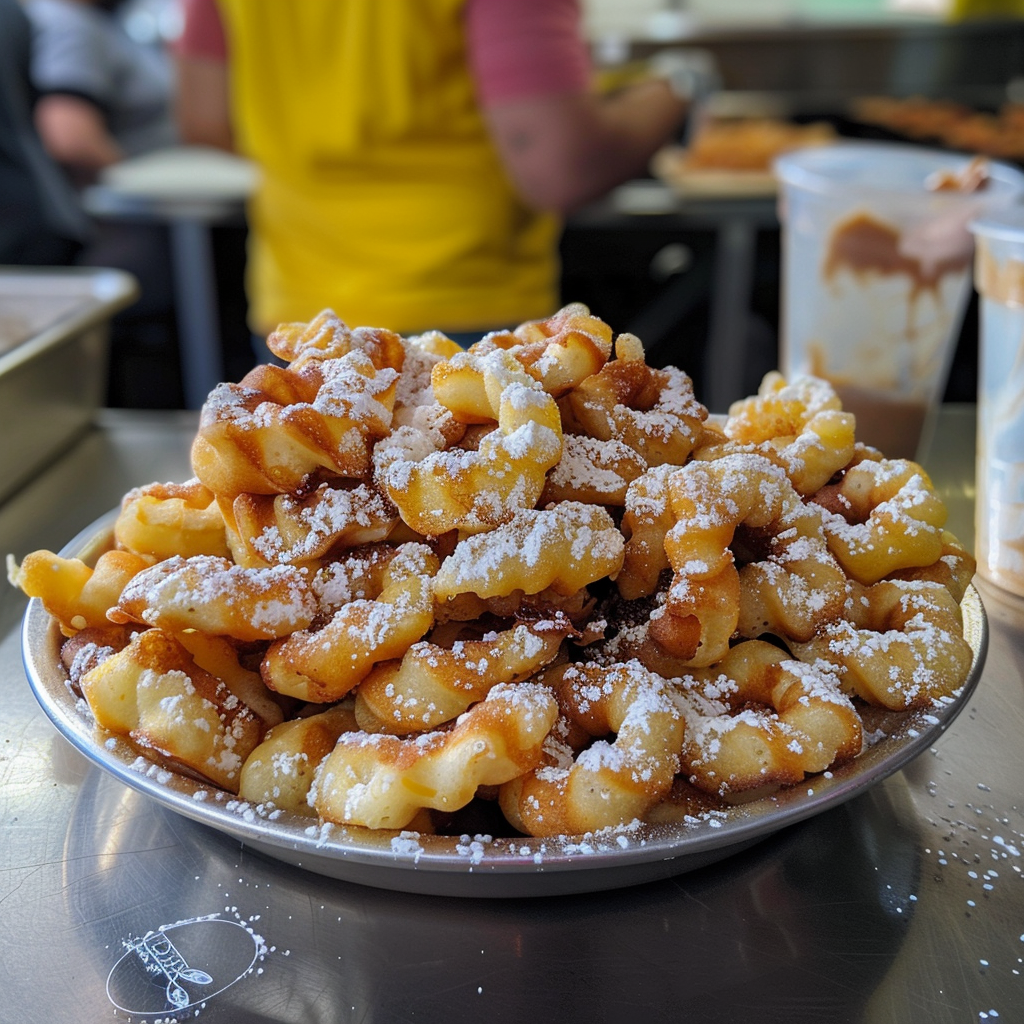
Key Ingredients for Authentic Funnel Cakes
Great funnel cakes start with simple pantry staples that work together to create that signature crisp-on-the-outside, soft-on-the-inside texture. Each ingredient has a role to play, so understanding why they’re there will help you nail the recipe every time.
The Batter Base
The foundation is all-purpose flour, which provides structure without making the cakes heavy. Add in a pinch of baking powder to keep things light and airy. Sugar sweetens the deal while balancing the slight saltiness in the batter.
Eggs for Richness and Binding
Eggs aren’t just there to hold the batter together—they add richness and help with browning. That golden hue you love? Eggs help make it happen.
Milk for Smooth Consistency
Whole milk is traditional, giving the batter a smooth pourable texture. If you prefer, almond or oat milk can work well for a dairy-free twist.
The Oil for Frying
Choosing the right oil makes all the difference. Go for one with a high smoke point—like canola or peanut oil—so your crispy fairground treat fries evenly without burning. You can check this guide to frying oils for more insight.
Toppings to Finish the Magic
- Powdered sugar – The classic dusting that makes funnel cakes iconic.
- Cinnamon sugar – Adds warmth and extra sweetness.
- Chocolate sauce or fruit compote – For those who like to level up their dessert game.
With just these few key players, you’re well on your way to mastering homemade funnel cake perfection.
How to Make Funnel Cakes at Home
You don’t need a carnival kitchen to whip up homemade funnel cakes. All it takes is the right batter, steady hands, and a little frying magic. Follow these steps, and you’ll have that golden, crispy dessert cooling on your counter in no time.
Prepare Your Tools and Oil
- Choose a deep, heavy-bottomed skillet or Dutch oven.
- Pour in enough oil so the batter will float freely—about 2 inches deep.
- Heat the oil to 375°F (190°C). A kitchen thermometer is your best friend here for avoiding greasy or undercooked cakes.
Mix the Batter
- In a large bowl, whisk together flour, baking powder, sugar, and a pinch of salt.
- In another bowl, beat the eggs, then stir in milk and vanilla extract.
- Gradually pour the wet ingredients into the dry, mixing just until smooth. The batter should be slightly thicker than pancake batter but still pourable.
Get Ready to Pour
Fill a funnel, squeeze bottle, or large piping bag with batter. If using a funnel, cover the spout with your finger until you’re ready to pour.
Fry the Funnel Cake
- Hold your funnel or bottle over the hot oil and pour the batter in a steady stream, swirling in overlapping circles to create that signature lace pattern.
- Fry for 1–2 minutes per side, flipping once, until golden brown.
- Use a slotted spoon or tongs to remove the cake from the oil.
Drain and Dust
Place the fried cake on a wire rack or paper towel to drain excess oil. While it’s still warm, dust generously with powdered sugar—or get creative with your favorite toppings.
Pro Tip: Maintaining oil temperature is the secret to that crisp texture. Too hot, and your funnel cake will brown too fast; too cool, and it’ll soak up oil.
Fun Funnel Cake Variations
While the classic funnel cake with powdered sugar is a forever favorite, there’s no rule saying you can’t give it a twist. Changing up flavors, shapes, or toppings can turn this crispy fairground treat into something brand new every time you make it.
Mini Funnel Cakes
Instead of one large swirl, make smaller individual cakes. They’re easier to serve at parties, fun for kids, and perfect for sampling different toppings without overindulging.
Churro-Inspired Funnel Cakes
Swap the powdered sugar for cinnamon sugar and drizzle with a little caramel sauce. The flavor combo is warm, spiced, and totally addictive.
Pumpkin Spice Funnel Cakes
Mix pumpkin puree and pumpkin spice into the batter for a cozy fall twist. Pair it with cream cheese glaze for extra richness.
Red Velvet Funnel Cakes
Add a touch of cocoa powder and red food coloring to the batter. Finish with cream cheese frosting and chocolate shavings for a striking dessert.
Savory Funnel Cakes
Reduce the sugar in the batter and top with shredded cheese, herbs, or even crumbled bacon. They make a surprising (and delicious) snack or brunch side.
Whether you keep it sweet, go seasonal, or try a savory spin, experimenting with funnel cake variations is a sure way to keep your frying adventures exciting.
Frequently Asked Questions about Funnel Cakes
Are funnel cakes and fried dough the same thing?
Not quite. Both are fried desserts, but funnel cakes are made with a thin batter poured through a funnel (or similar tool) into hot oil, creating a lacy pattern. Fried dough, on the other hand, uses a thicker dough that’s flattened before frying.
What oil is best for frying funnel cakes?
Neutral oils with a high smoke point—like canola, peanut, or vegetable oil—work best. They allow the crispy fairground treat to cook evenly without overpowering the flavor.
Can I make funnel cake without a funnel?
Absolutely! A squeeze bottle, piping bag, or even a measuring cup with a spout can work. The goal is to create a thin, steady stream of batter for that signature swirled look.
How long does funnel cake batter last?
Batter is best used right after mixing, but you can store it in the fridge for up to 24 hours. Just give it a quick whisk before frying.
Can I bake funnel cakes instead of frying?
Baking won’t give you the same crisp texture, but it’s possible. For a lighter version, try piping the batter onto a lined baking sheet and baking at high heat until golden—just expect a softer bite.
Hungry for more? Visit our website for full recipes and follow us on Pinterest for daily foodie inspo you’ll love to pin!